Urban Nature Project
Natural History Museum, London, UK
2019-2024
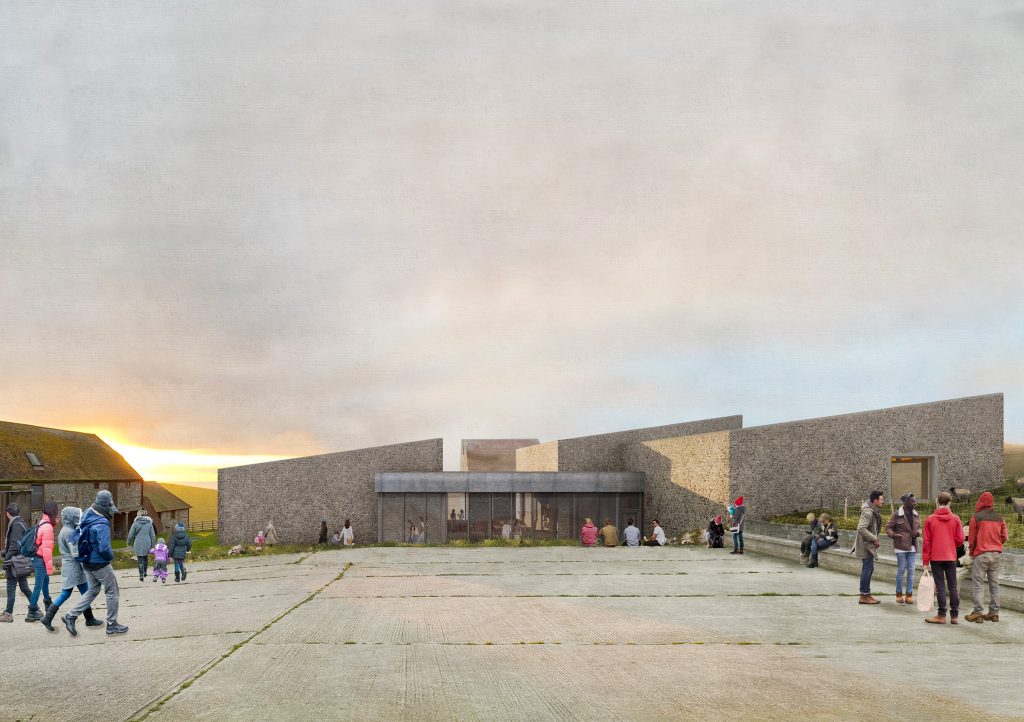
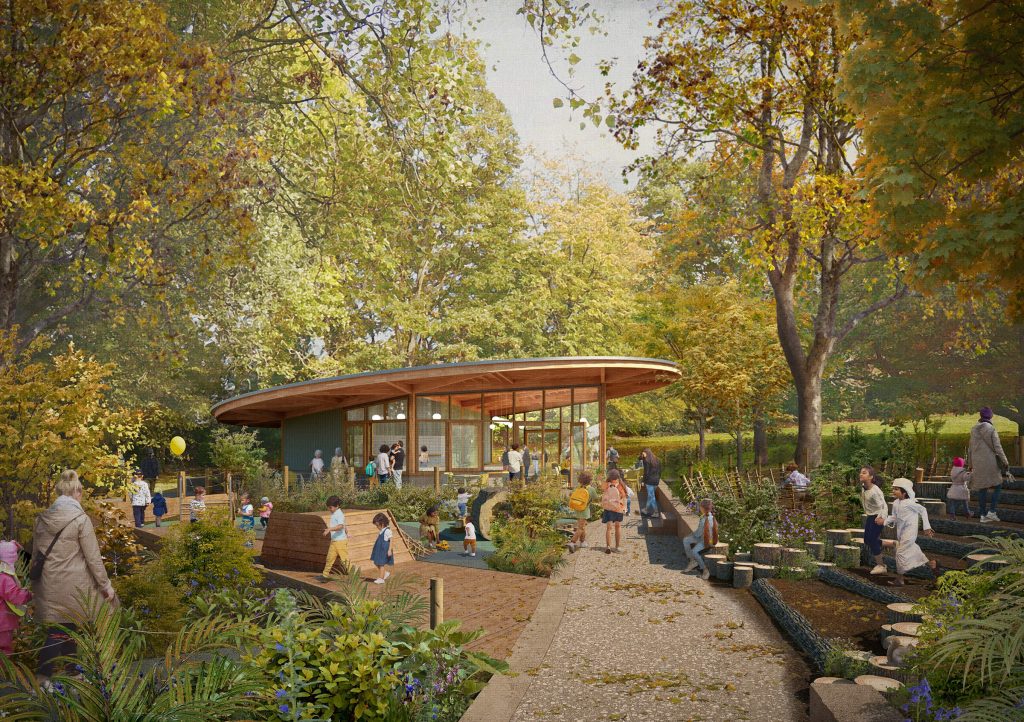
Feilden Fowles collaborated with the Natural History Museum and J&L Gibbons on The Urban Nature Project, the museum’s response to pressures from urbanisation and biodiversity loss. The project transforms underused outdoor spaces into a biodiverse public garden, also acting as a living laboratory where scientists monitor, record, and study urban wildlife. Beyond its scientific mission, it gives people across the UK the inspiration and tools to safeguard nature in towns and cities. The project includes a three-dimensional Evolution Timeline Wall, the Evolution Garden (supported by the Evolution Education Trust), a Garden Kitchen, Nature Activity Centre, and refurbishment of existing museum spaces.


Timeline Wall
The Evolution Timeline is a central feature of the new garden, telling the story of our island’s geological past through rocks, plants, and representations of extinct creatures. Ancient Scottish Lewisian gneiss, over 2.7 billion years old, marks the beginning, followed by granites tracing the Earth’s shifting crust, limestones full of fossils formed in tropical seas, and sandstones laid down as desert dunes. The timeline features mosses, ferns, and species such as the giant millipede Arthropleura, various mammals, and a bronze Diplodocus cast. At least 26 different rocks are used throughout the canyon and timeline, all but two sourced from across the UK, from Cornwall to the Outer Hebrides.


“They have been truly wonderful to work with and it has been a real partnership and labour of love to breathe new life into our new outside galleries of nature. FF is a practice that is tuned into what the museum is about, how we operate and what we need. Their approach isn’t clouded by beauty over substance or practicality and their commitment to sustainability and using natural materials really aligns to that of the museum.”
Helen Whitehouse OBE – Client, Chief of Operating Officer, Natural History Museum
-
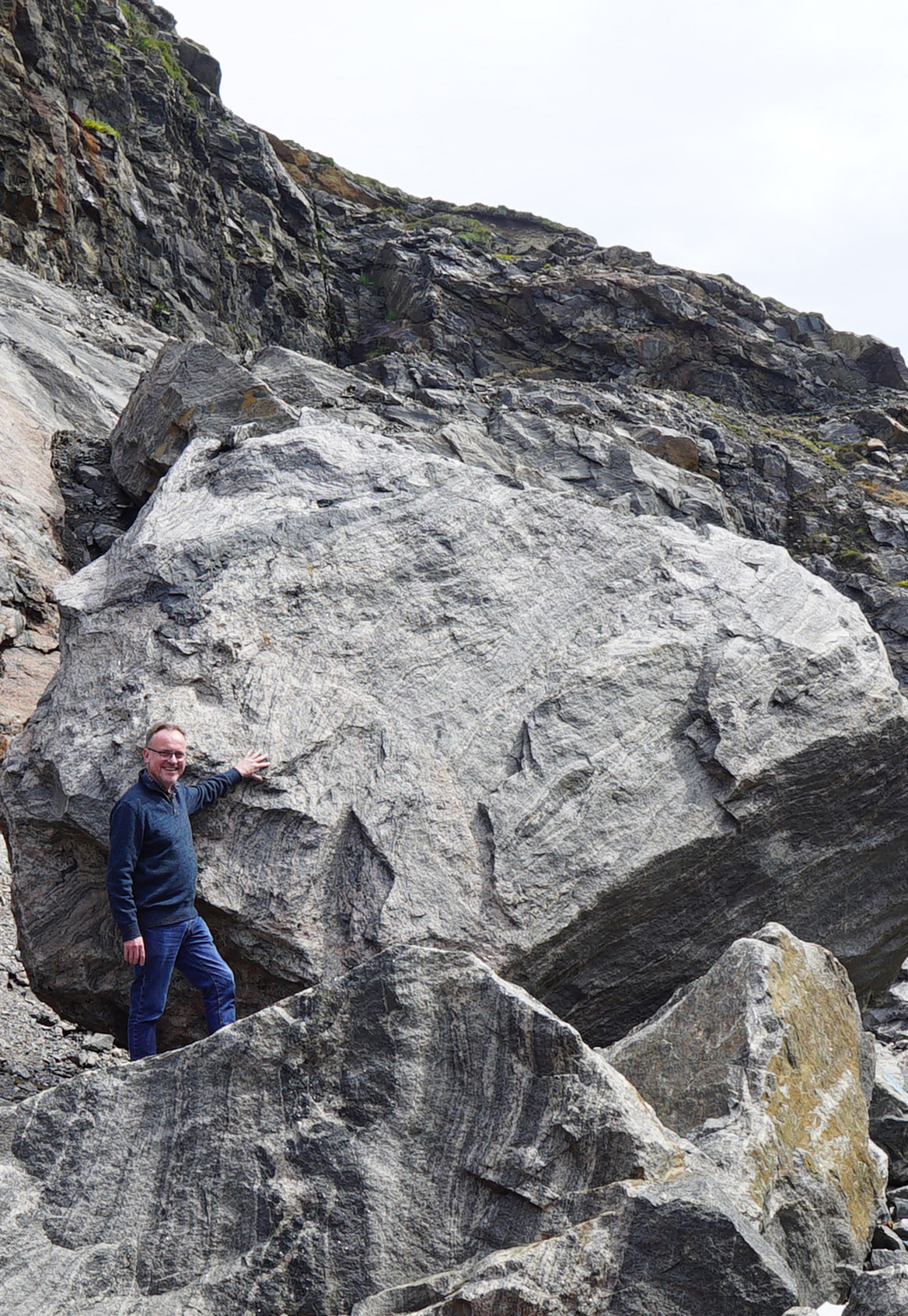 UK-wide quarry visits

-
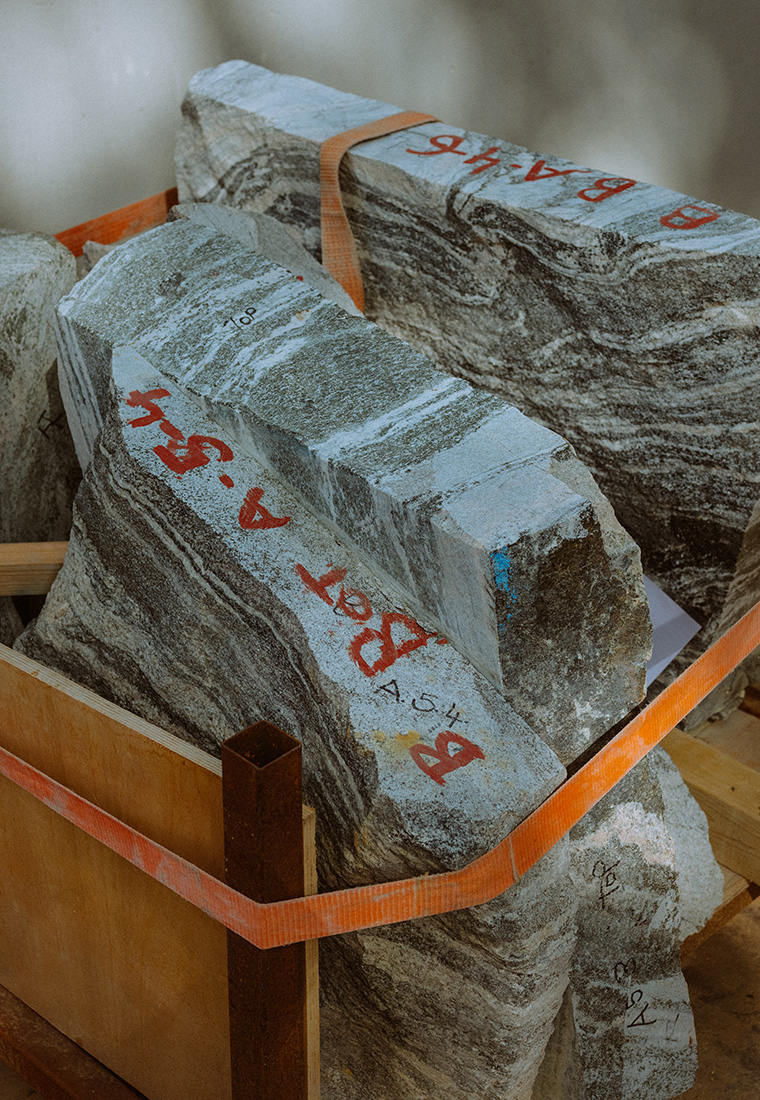 Installing the timeline wall
 -
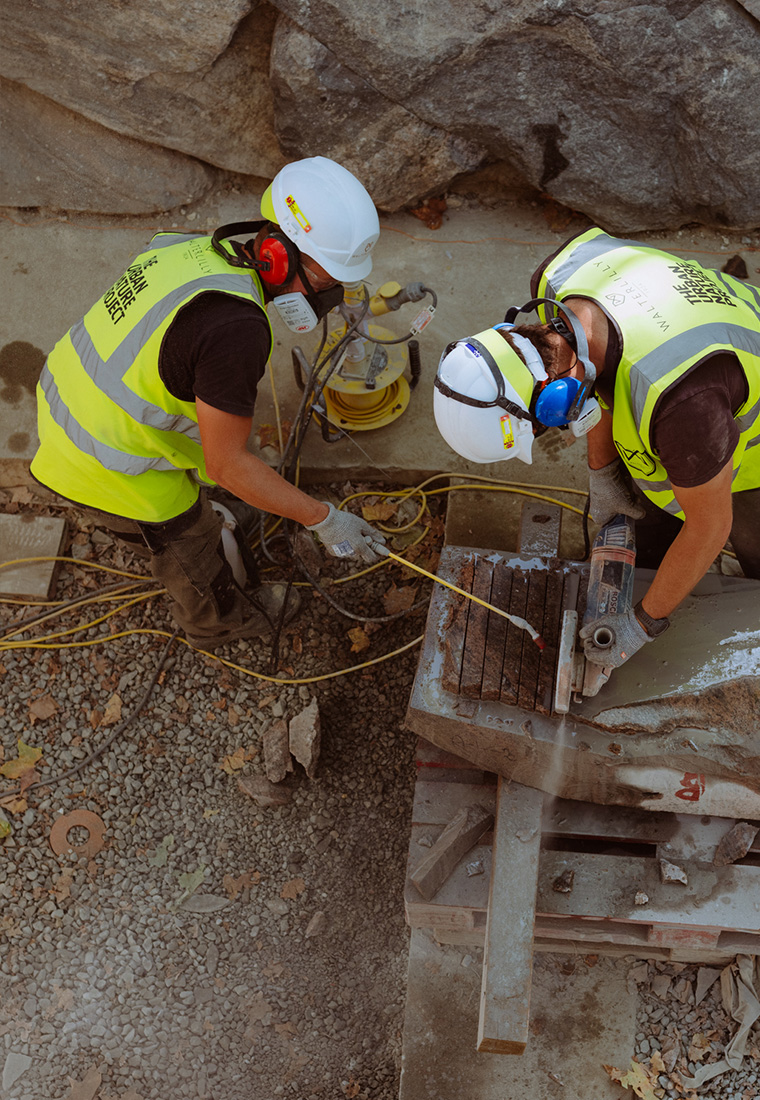 Installing the timeline wall
 -
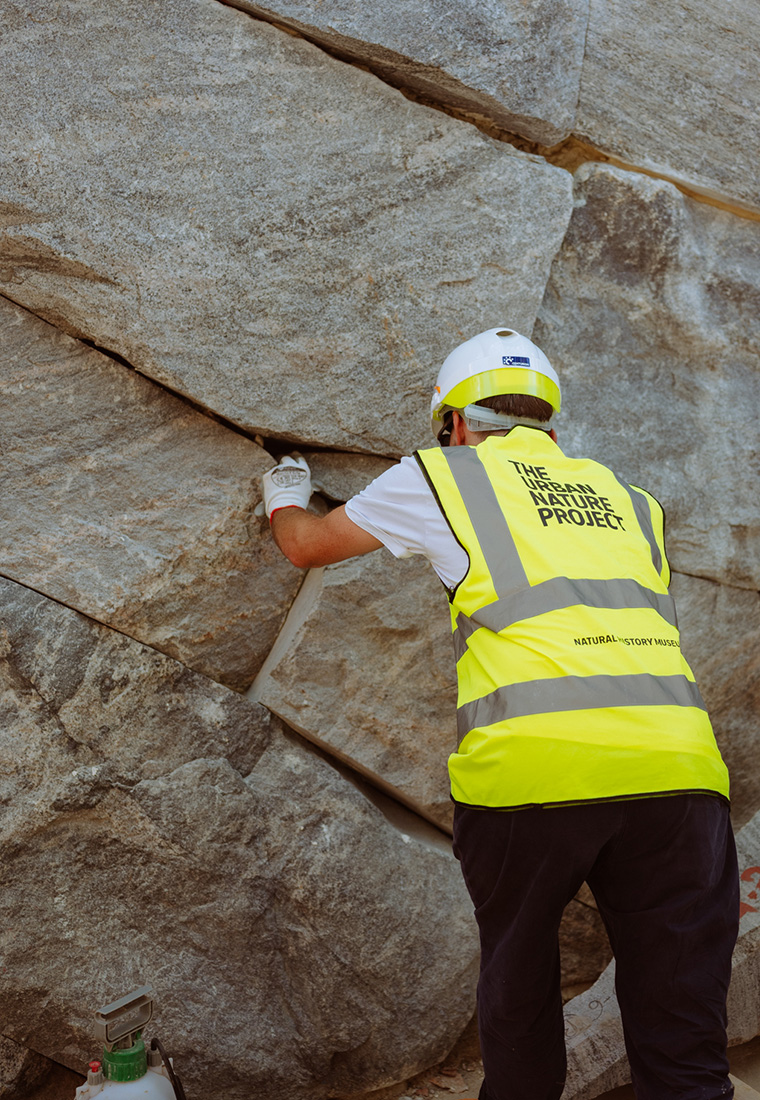 Installing the timeline wall


-
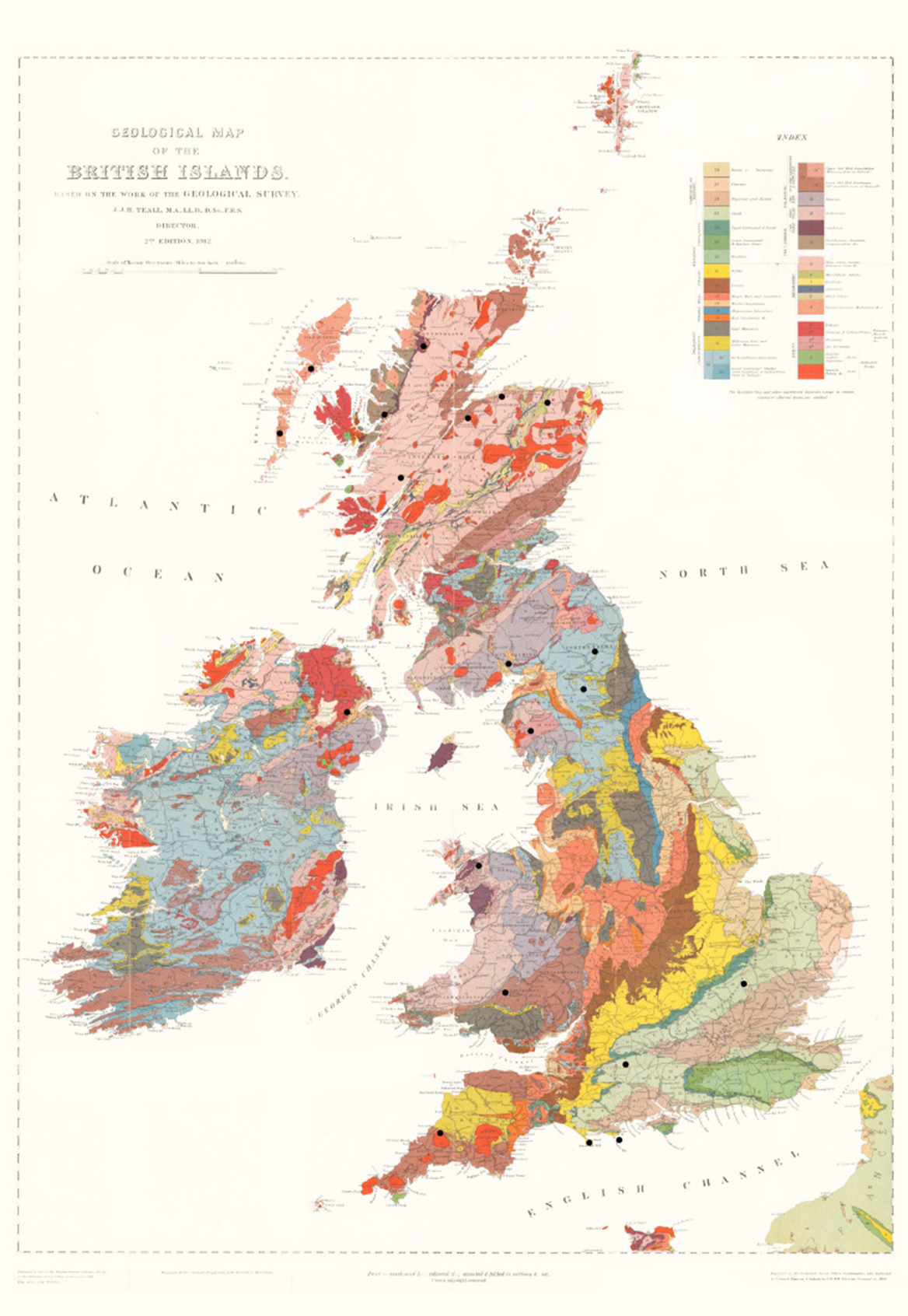 Geological map of Britain

Garden Kitchen
A new permanent 660 sqm timber and stone kitchen and café provides a space adjacent to the garden for rest and nourishment. It is multipurpose, functioning as a café, events space, and seasonal indoor storage and display for exotic plants from the Evolution Garden. The design aims to be ‘of the garden’, referential yet not pastiche, drawing on historic garden building typologies and formal structures like orangeries. Stone elevations reference the Waterhouse terracotta façade and the geological strata of the landscaping and timeline wall. Stone columns frame openings to a buffer space that displays botanical exhibits in winter and becomes an open cloister in summer, supporting energy efficiency through passive solar heating and shading.

-
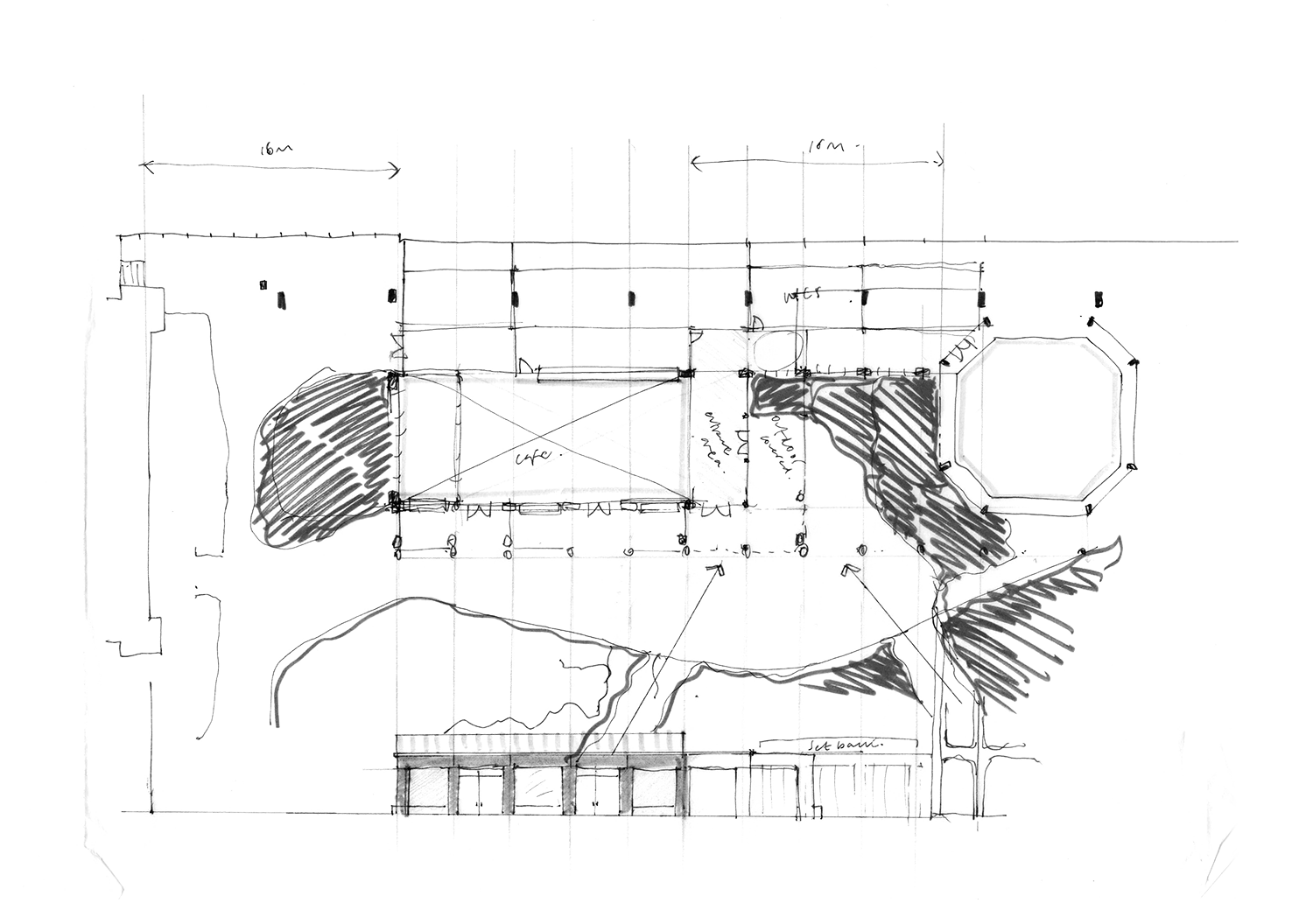 Garden kitchen sketch plan
 -
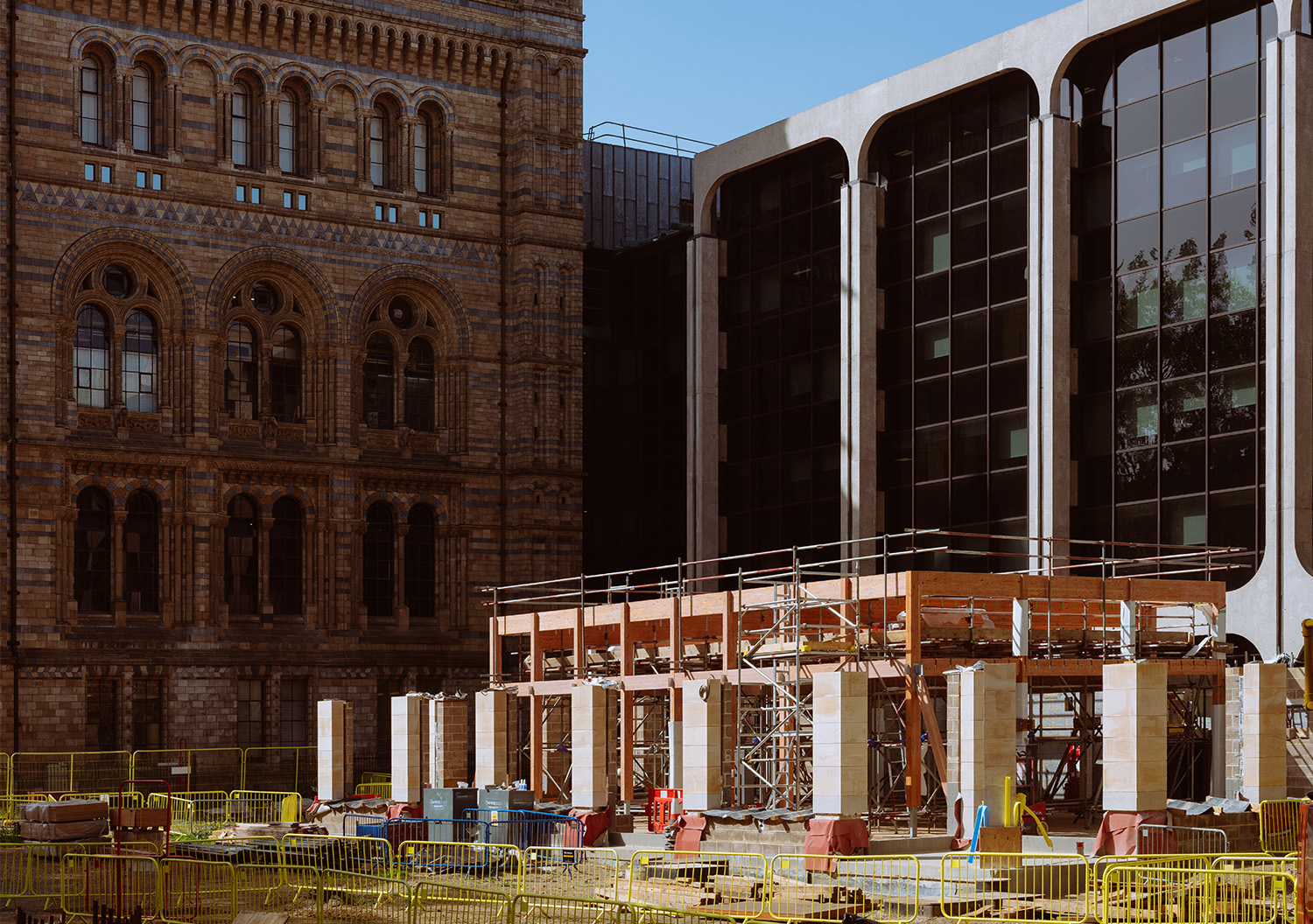 Garden kitchen construction


-
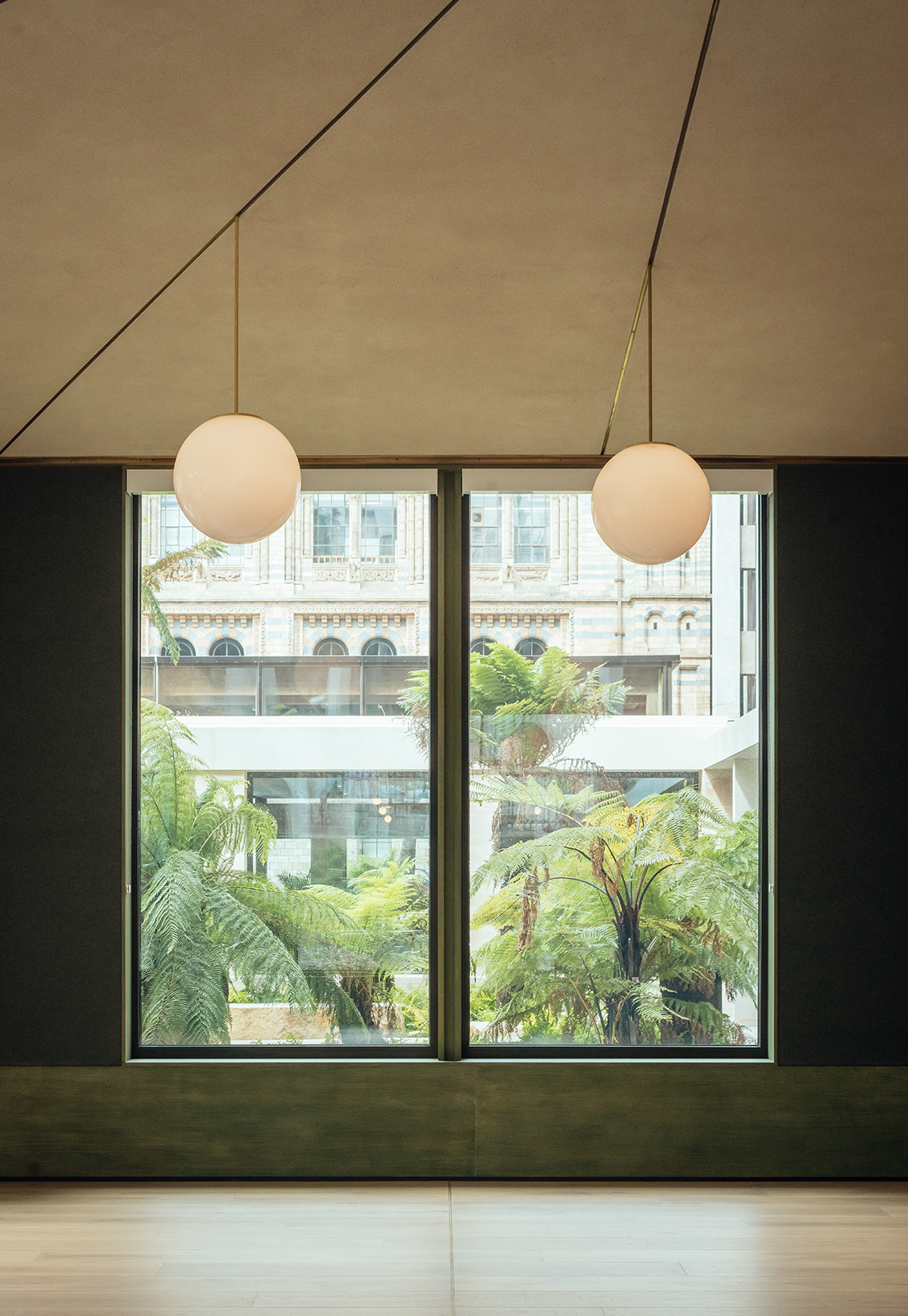 Function room interior

Nature Activity Centre
The Nature Activity Centre is a 220 sqm timber and stone building nestled within the Nature Discovery Garden. It combines facilities for scientific work and monitoring with learning activities and garden maintenance to support the volunteer community essential to the gardens. The new centre improves access, legibility, and interpretation of the garden, expanding the Museum’s scientific work, encouraging community science, and providing a training space for future urban ecologists. The Garden Kitchen and Nature Activity Centre share an architectural language reflecting the site’s geological concepts, with stone facades that vary by datum level. Limestone plinths of Purbeck Spangle rise to Ancaster and Clipsham columns, transitioning into wet cast stone lintels above.
-
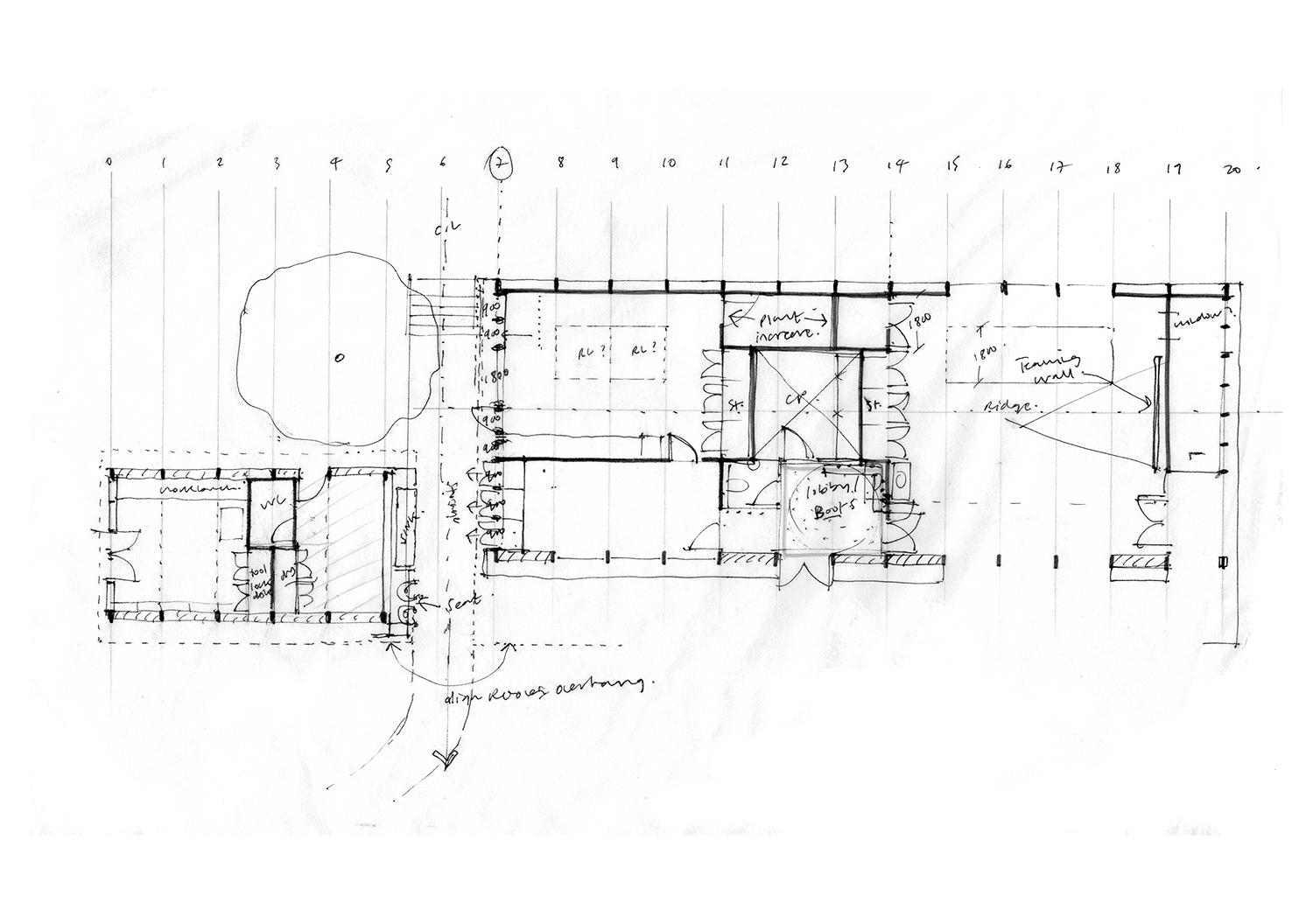 Nature activity centre sketch plan


Supporting Urban Life
The design of the 5 acres of gardens aims to conserve and enhance biodiversity, including the 3,300 animal species in the existing Wildlife Garden dating from 1995. With a habitat protection programme at its heart, the scheme extends woodland, grassland, scrub, heath, fen, reedbed, hedgerow, urban UK habitats, and wetlands, including a relocated pond with a sunken walkway for school groups to take part in pond dipping. The new pond was designed to be biologically diverse, controlling reed growth with habitat breaks and steep banks. A miniature island of stones and gravel provides refuge for ducks, coots, and moorhens.


Sustainability
The Urban Nature Project champions sustainability through locally sourced timber and UK limestone, passive design, and a holistic water strategy. Natural ventilation, airtightness, and thermal performance are maximised, while Air Source Heat Pumps provide renewable energy, and rainwater is channelled to nourish the gardens. The result is a resilient, regenerative model.
“The museum’s newly transformed gardens are a collaborative triumph, offering a walk through geological time in a landscape of ancient rocks and Jurassic planting that’s a haven for wildlife, Londoners and dinosaurs alike.”
Rowan Moore – The Observer

Project Information
Client: The Natural History Museum
Location: London
Sector: Culture, Heritage, Placemaking
Commissioned: 2019
Status: Completed 2024
Budget: £25 million
GIA: Garden Kitchen – 660sqm, Nature Activity Centre – 220sqm, Landscape Masterplan – 5 acres
Team
Landscape Architect: J & L Gibbons
3D Design: Gitta Gschwendtner
Structural Engineer: engineers HRW
M&E, Lighting and Acoustic Engineers: Max Fordham
Principal Contractor: Walter Lilly
Project Manager: Mace
Quantity Surveyor: Mace
Sustainability Consultant: Mace
Planning Consultant: Deloitte
Heritage Consultant: Purcell
Access Consultant: Earnescliffe
Civil Engineer: Infrstruct CS
Selected Press
July 2024, Oliver Wainwright, ‘A 3-billion year stroll‘, The Guardian
July 2024, Ben Spencer, ‘The Natural History Museum’s new queue, 3 billion years in the making‘, Sunday Times
November 2023, George Hudson, ‘Rock on: exclusive first look at Natural History Museum’s new gardens as £21m revamp underway’, Evening Standard
November 2020, Lizzie Crook, ‘Feilden Fowles to redesign gardens to London’s Natural History Museum‘, Dezeen
October 2020, Richard Waite, ‘Feilden Fowles gets go-ahead to overhaul Natural History Museum grounds‘, Architects’ Journal
April 2020, Richard Waite, ‘Feilden Fowles reveals all-new plans for Natural History Museum grounds‘, Architects’ Journal
Related Projects