Tate Britain Gardens
London, UK
2024-Ongoing
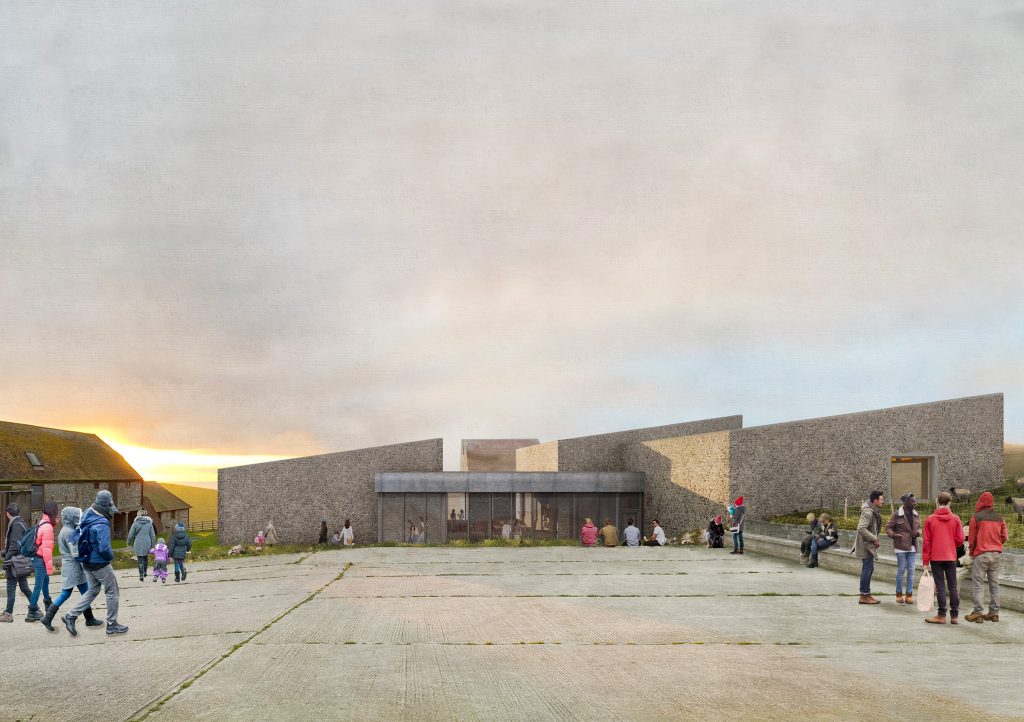
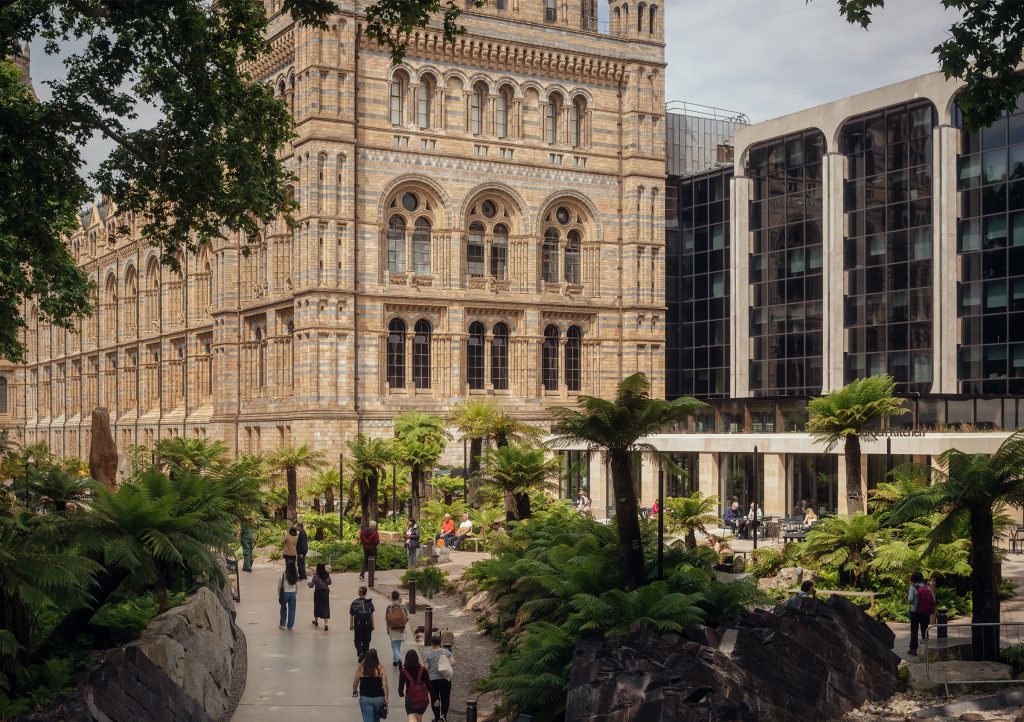
Feilden Fowles, in collaboration with Tom Stuart-Smith, won the competition to redesign the open spaces in front of Tate Britain, Millbank, into a new biodiverse garden for London. The Clore Garden reinvents the gallery’s grounds, softening Sidney Smith’s formal entrance through sympathetic dialogue. A new free-standing pavilion adjacent to the gardens will provide a flexible space for workshops and events related to horticulture and art. As the first new permanent building on the site since James Stirling’s Clore Gallery in 1987, the pavilion establishes its own character while engaging the layered material history of Tate Britain, Millbank, and London.


The Clore Garden at Tate Britain
The Clore Garden at Tate Britain transforms the existing landscape into a new biodiverse, seasonal garden. Led by Tom Stuart-Smith, the design responds to the site’s orientation and natural climatic conditions, evoking the changing seasons. Tate Britain has a long history of adapting its outdoor spaces, including their use as allotments during the Second World War. The garden and classroom revive this spirit of publicness, signalling a new era as the institution responds to the climate crisis. The Clore Garden offers an open invitation to engage with plants and garden design, and to rest, play, meet, and explore art within a beautiful and welcoming setting.

-
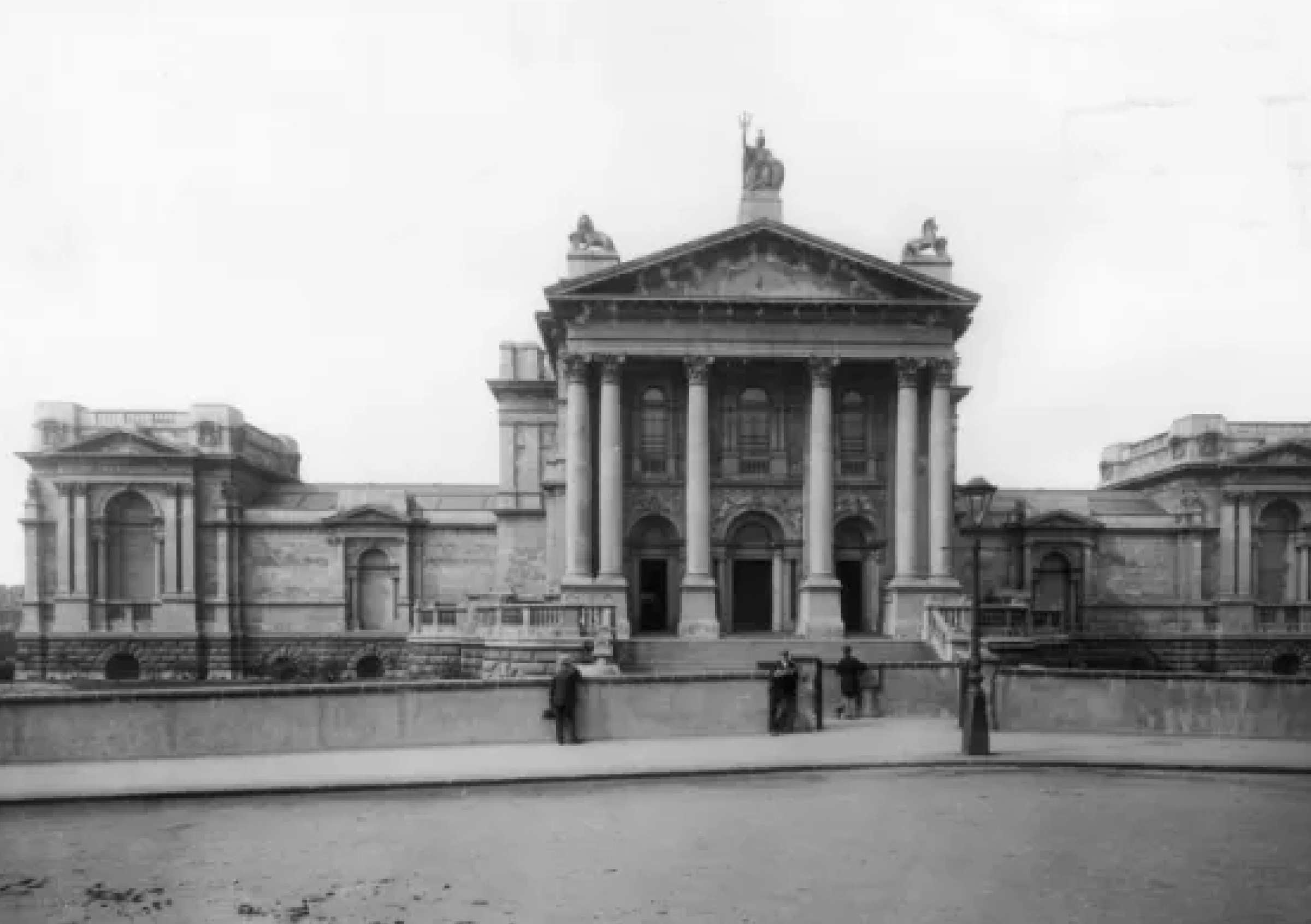 Tate Britain historic images
 -
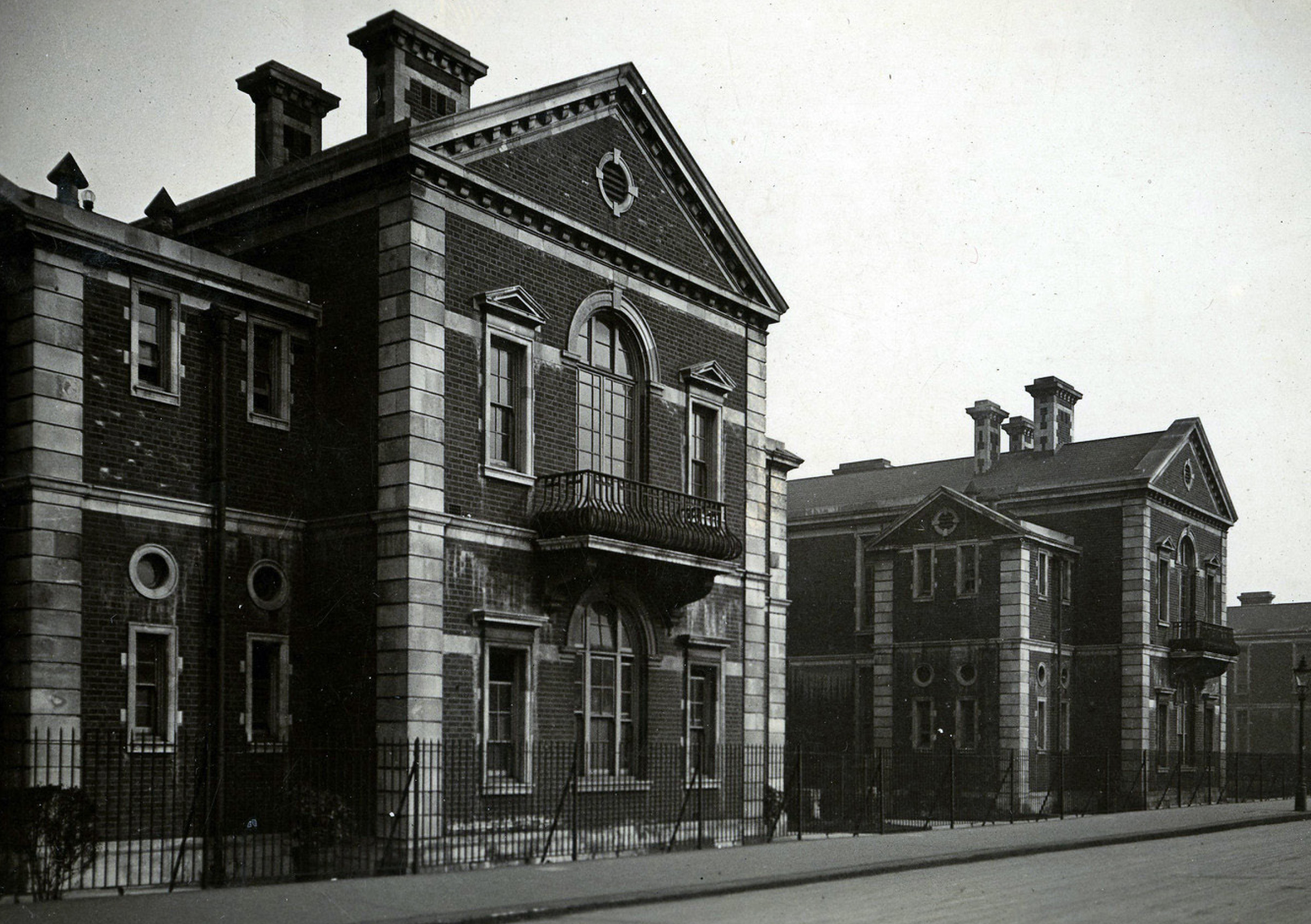 Tate Britain historic images


-
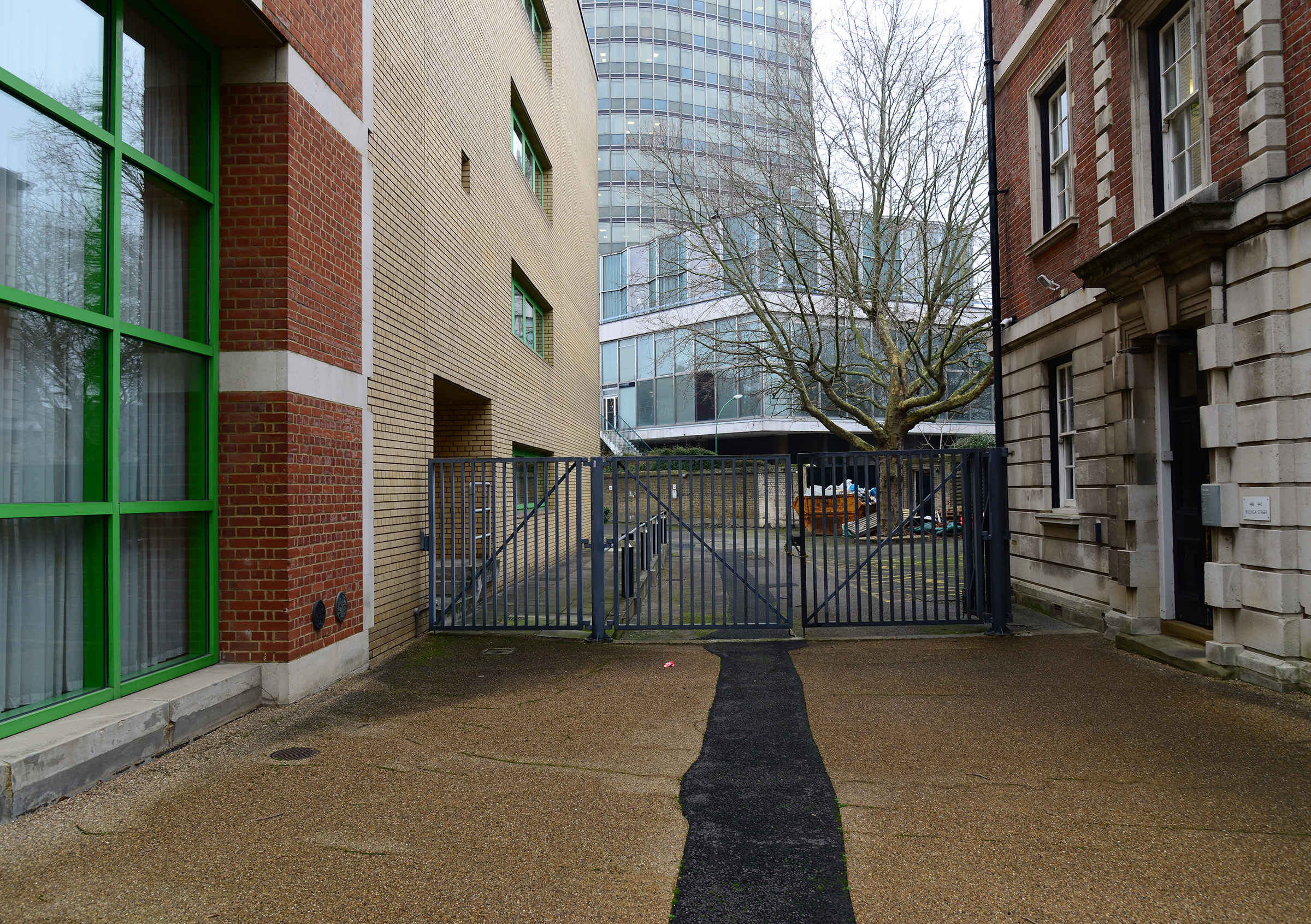 Existing condition

Design Approach
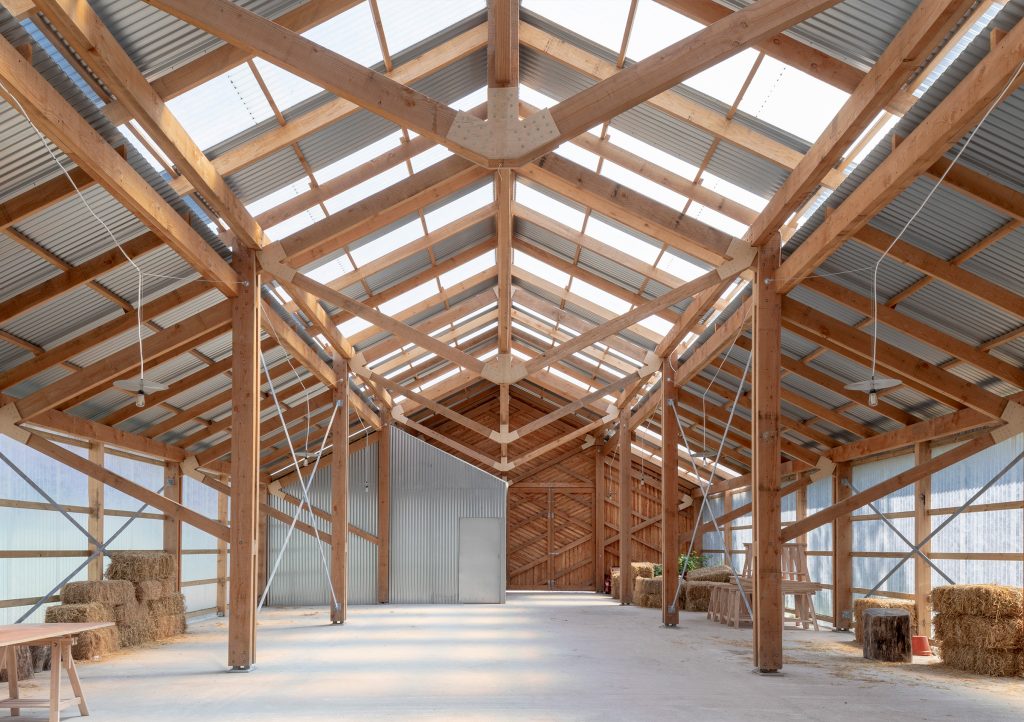
The footprint of the classroom is designed to articulate a series of functional outdoor yards, turning the constraints of the site into opportunities for outdoor activity. The construction embodies an ambitious environmental strategy: light-touch pile foundations protect the roots of a neighbouring Plane tree; passive ventilation, natural insulation, and triple glazing minimise operational energy use; and careful detailing reduces the embodied impact of construction. An ancillary structure houses supporting facilities, framing an enclosed back-of-house courtyard that includes a generous outdoor handwashing trough for visitor, volunteer and gardener use.


Materiality
A spirit of re-use is central to the project’s material approach. A site taxonomy by Local Works identified materials such as concrete, Yorkstone pavers, and pink granite, which will be crushed to form aggregates for new paths and planting substrates. These aggregates will also inform elements of the building, with plant-based dyes adding colour to interiors. The primary structure is a lightweight, low-carbon timber frame, clad in tactile stone visible through planting. Reversing conventional hierarchies, Portland stone tiles form an expressive upper shell, referencing Tate Lodge, Stirling’s grid, and Smith’s portico. Fossil-rich limestone evokes geological time and the site’s proximity to the Thames.
-
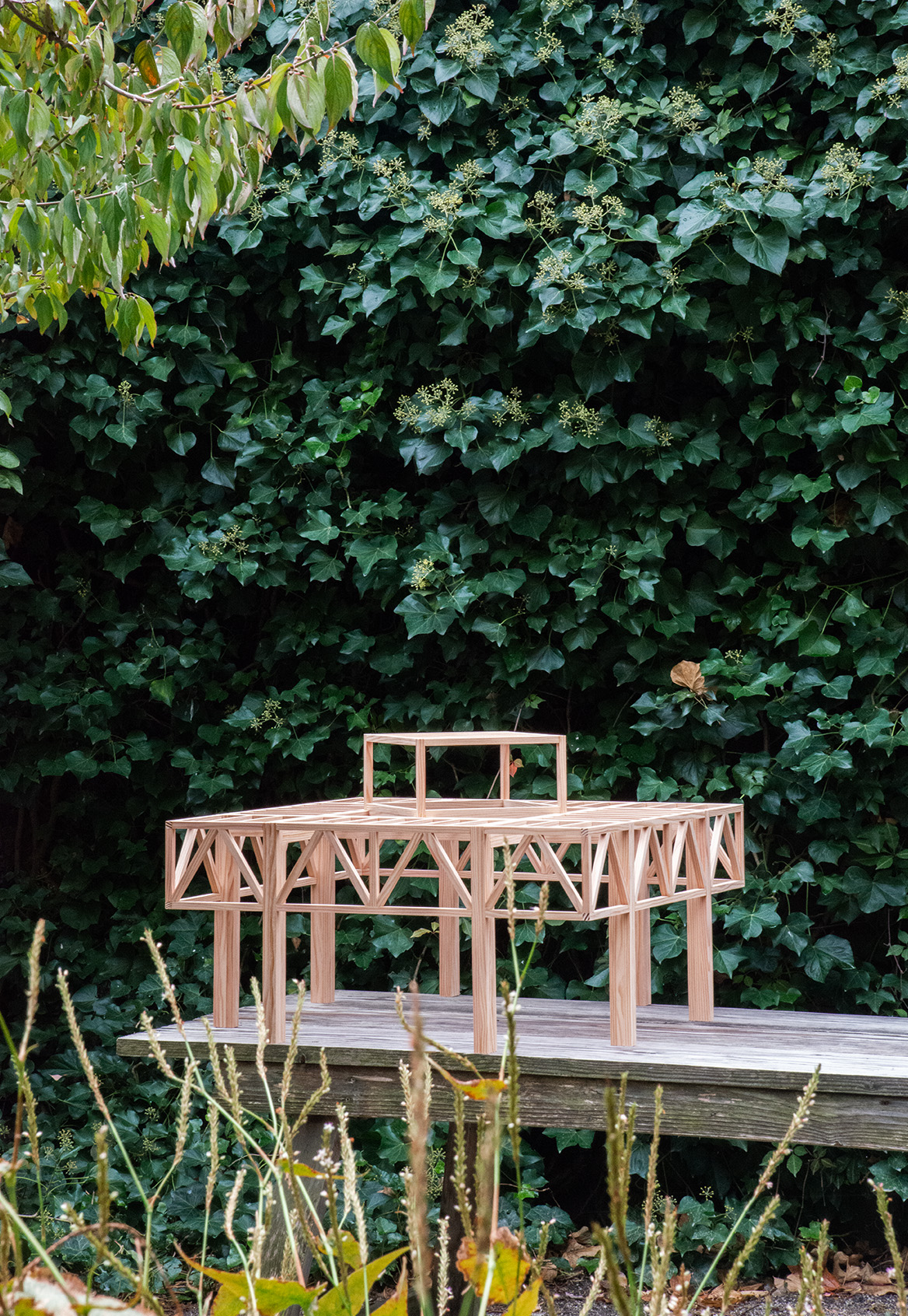 Structure model


-
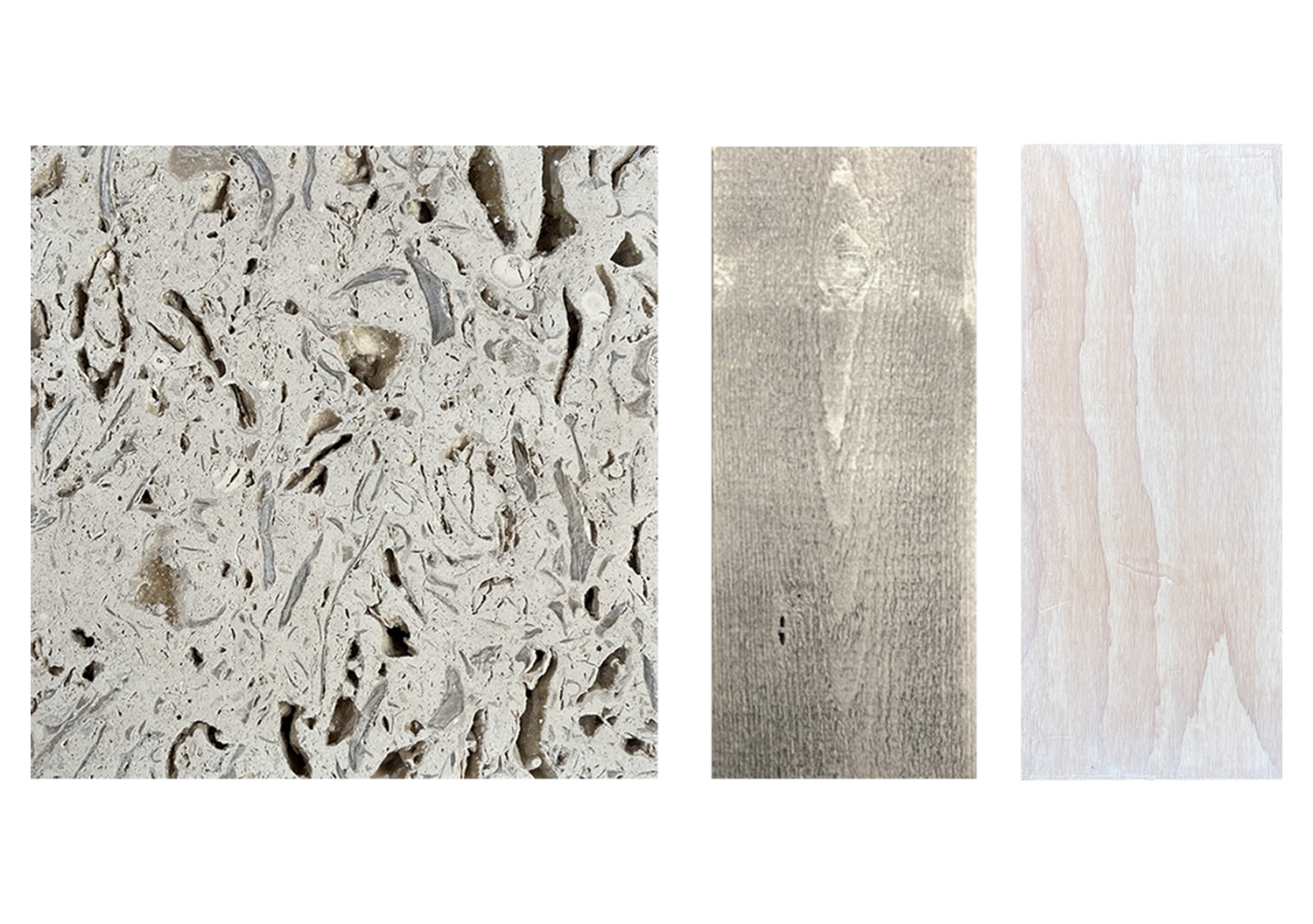 Material samples


Project Information
Client: Tate
Location: London
Sector: Culture, Education
Commissioned: 2024
Status: Ongoing
GIA: 74sqm
Team
Landscape Architect: Tom Stuart-Smith
Structural Engineer: Alan Baxter Associates
M&E Consultant: Skelly and Couch
Material Specialist: Local Works
Selected Press
May 2024, Greg Pitcher, ‘Tom Stuart-Smith and Feilden Fowles’ Tate Britain gardens revamp unveiled‘, Architects’ Journal
Related Projects