Black Robin Farm
South Downs, UK
2022-Ongoing
Feilden Fowles Architects, in collaboration with Jonathan Cook Landscape Architects, are designing a new culture and education centre within the South Downs National Park, commissioned by Eastbourne Borough Council and the Towner Gallery. The project aims to engage visitors with the landscape and heritage of this agricultural Downland site through art and learning. Proposals include a new gallery building, studios, event and making spaces, a refectory, and the adaptive reuse of over 2,000 sqm of existing farm buildings. The project is supported by Eastbourne Borough Council’s £19.8 million award from the government’s Levelling Up Fund.


Gateway to the South Downs National Park
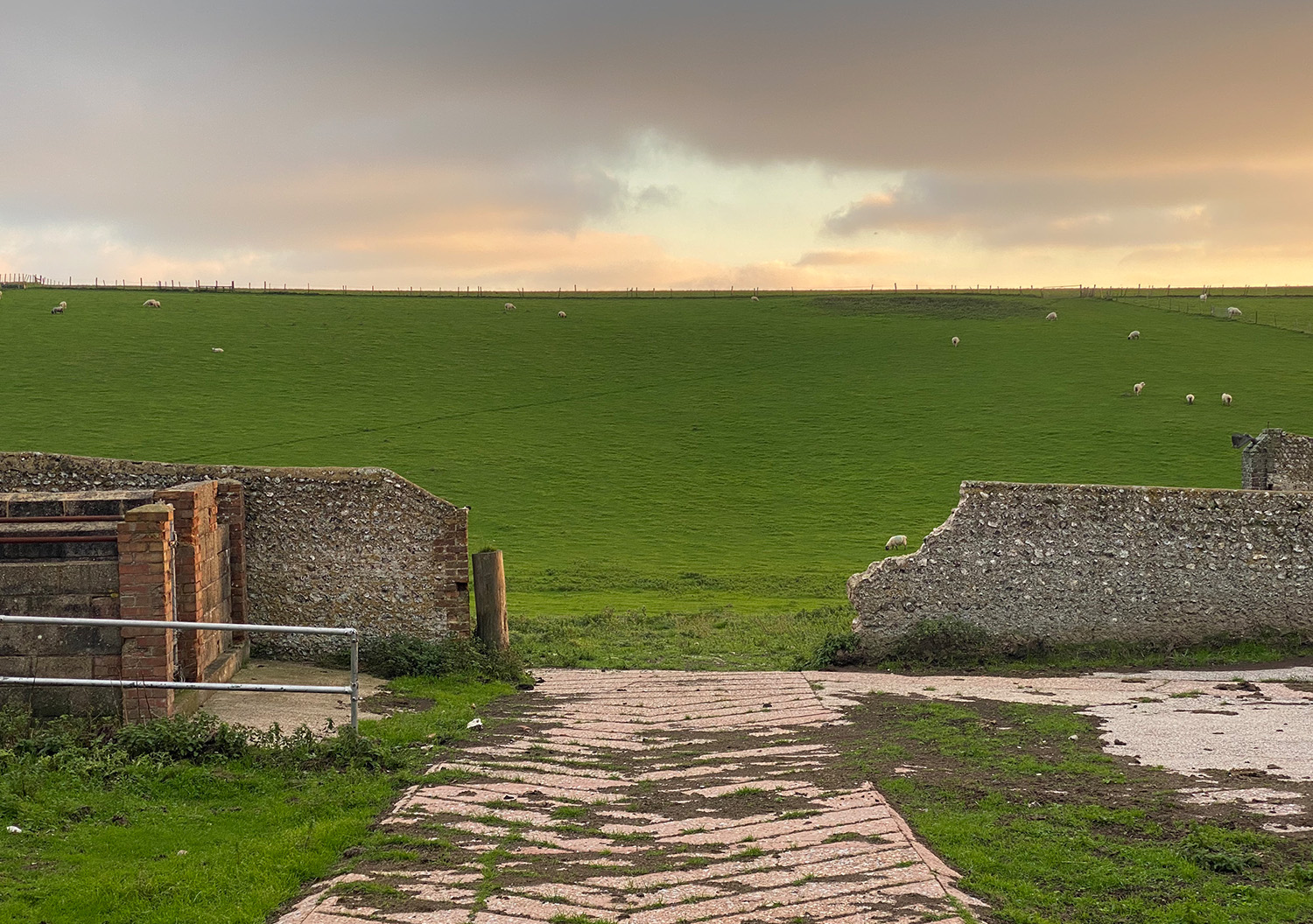
Located two miles west of Eastbourne, Black Robin Farm will act as a cultural gateway to the South Downs, linking town, downland, and coast. The project proposes a centre for education and culture that mediates between Eastbourne’s town centre and the National Park, establishing a civic threshold that encourages engagement with the landscape. The centre will be operated by the award-winning Towner Eastbourne.
-
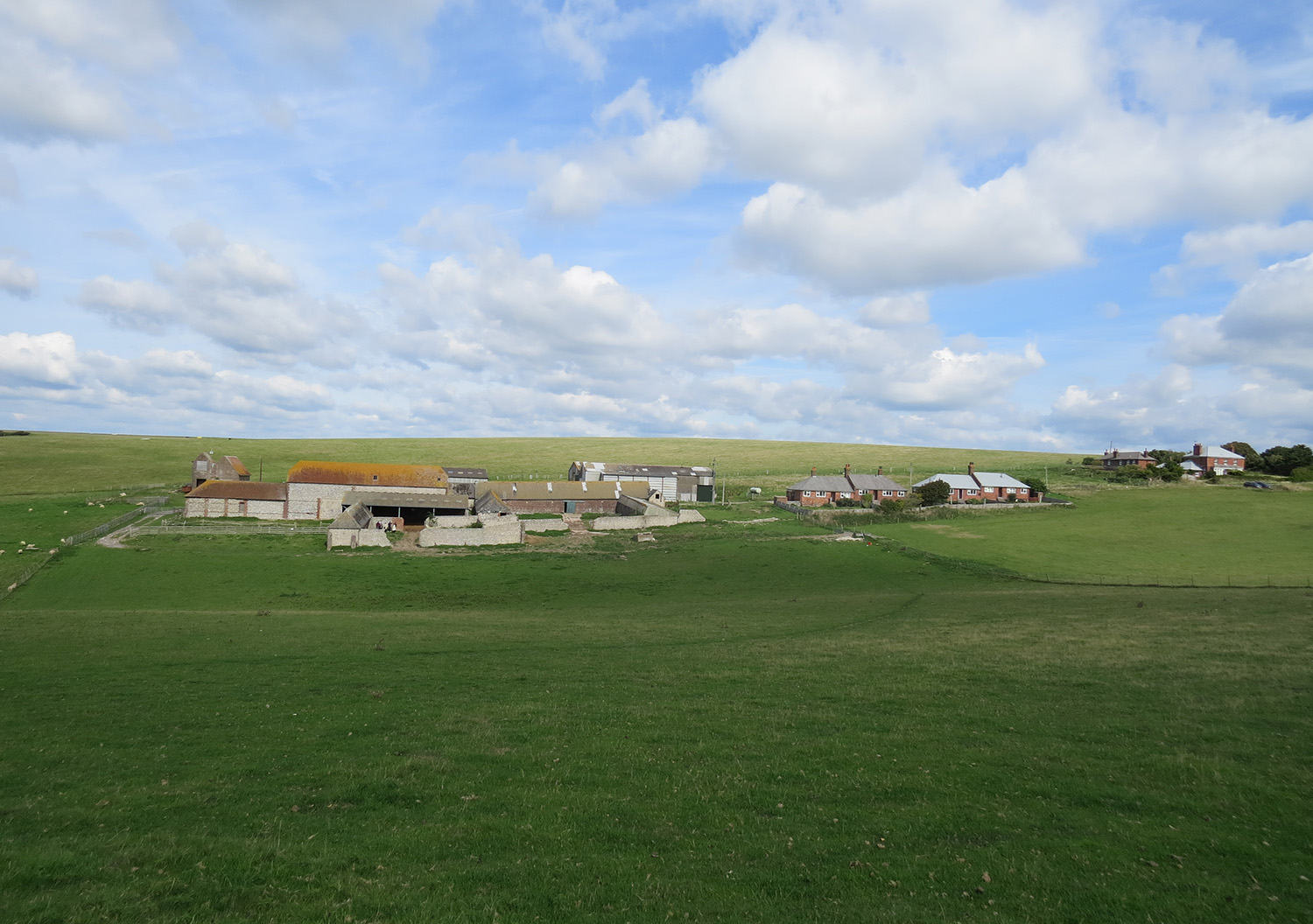 The farm complex
 -
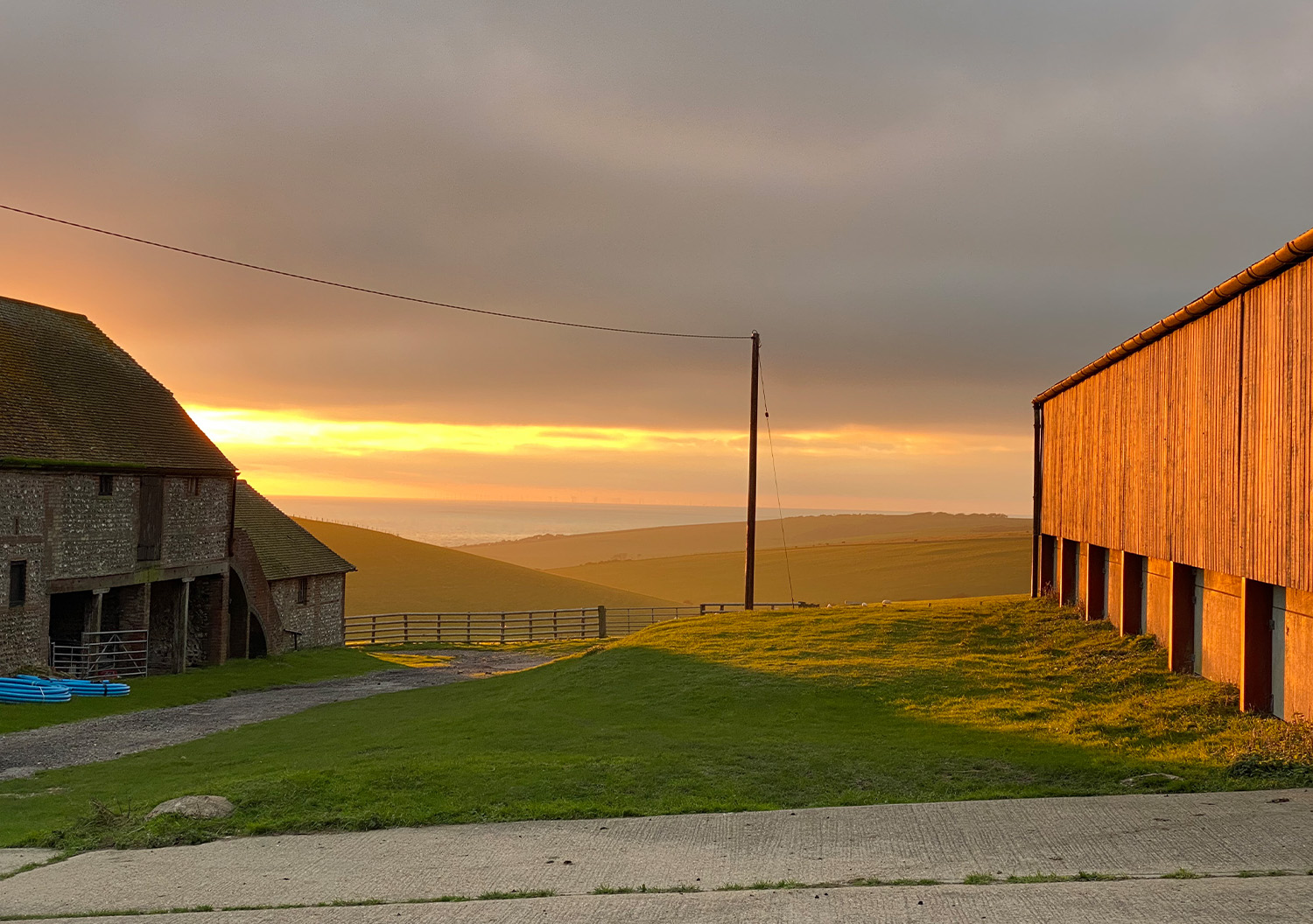 The farm complex
 -
 The farm complex
 -
 The farm complex
 -


-
 Moments and views to the landscape
 -
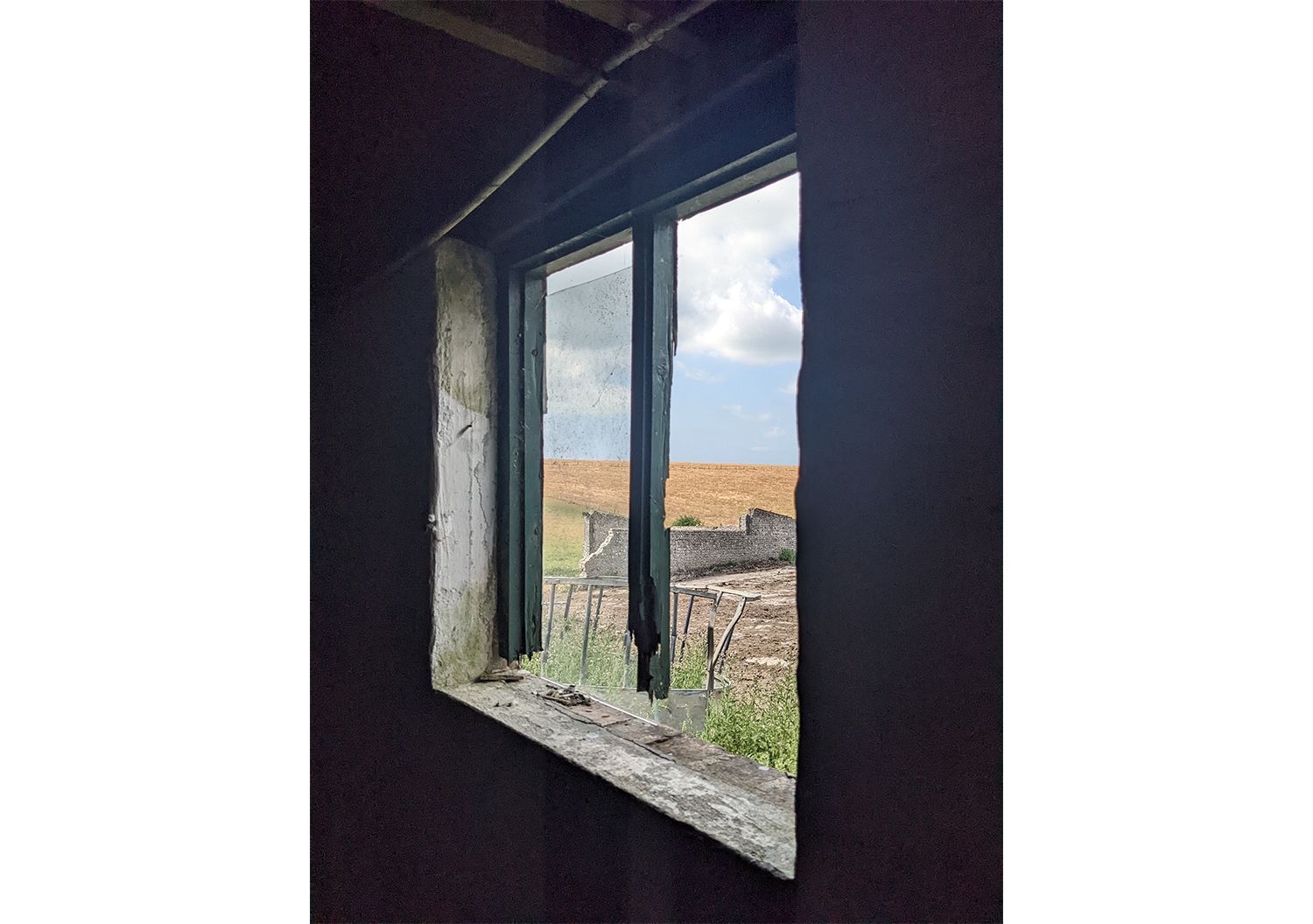 Moments and views to the landscape
 -
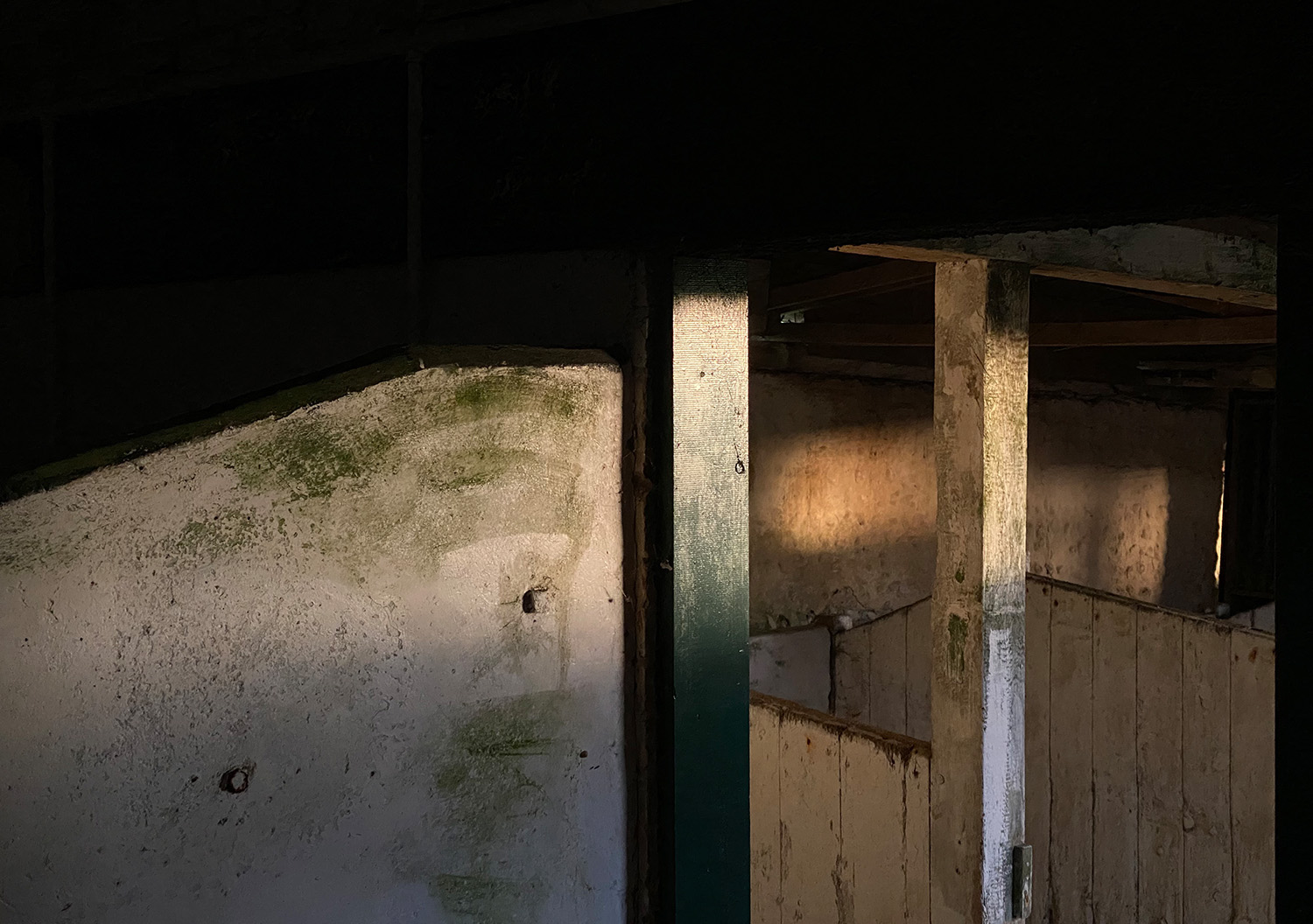 Moments and views to the landscape
 -
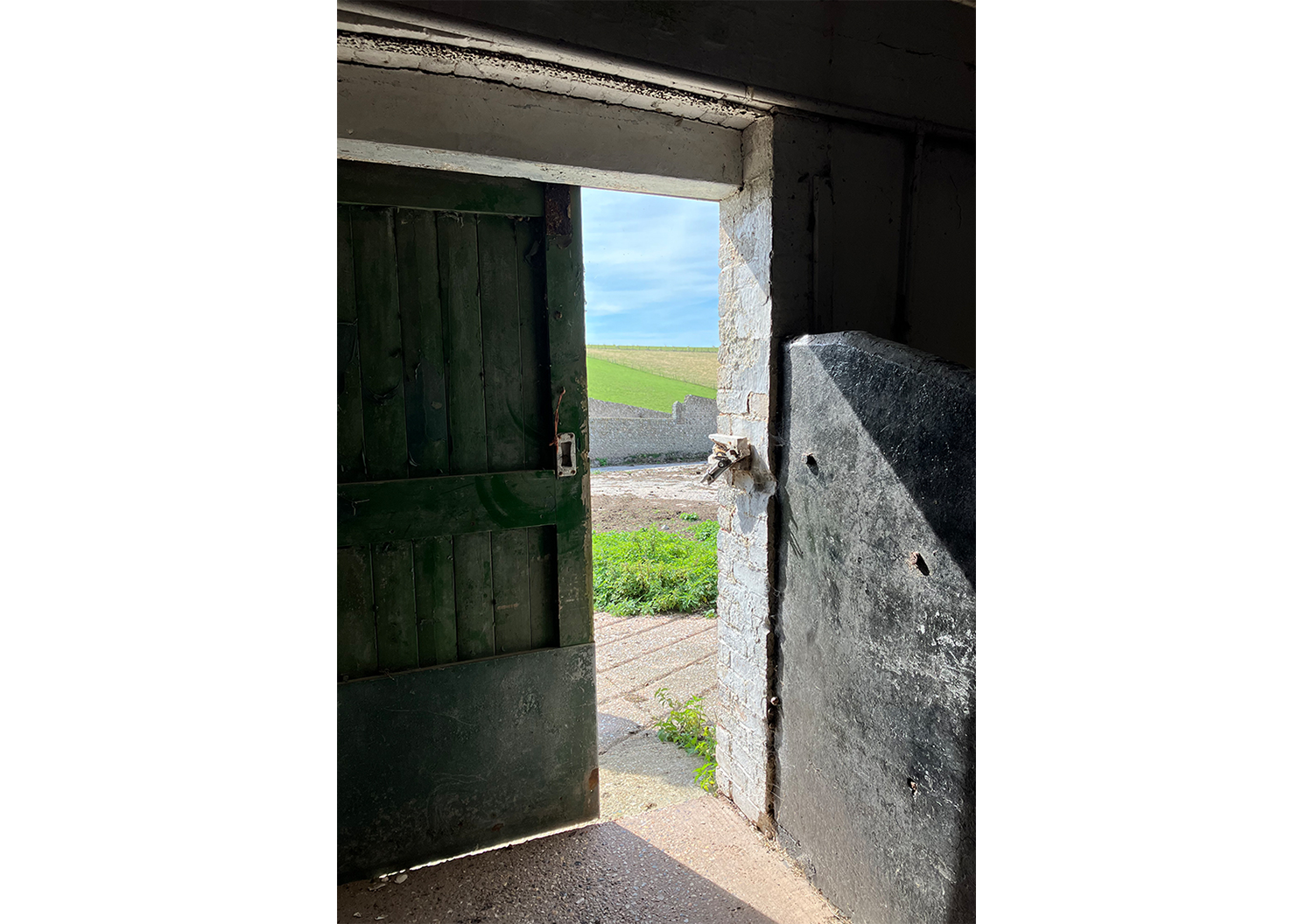 Moments and views to the landscape
 -
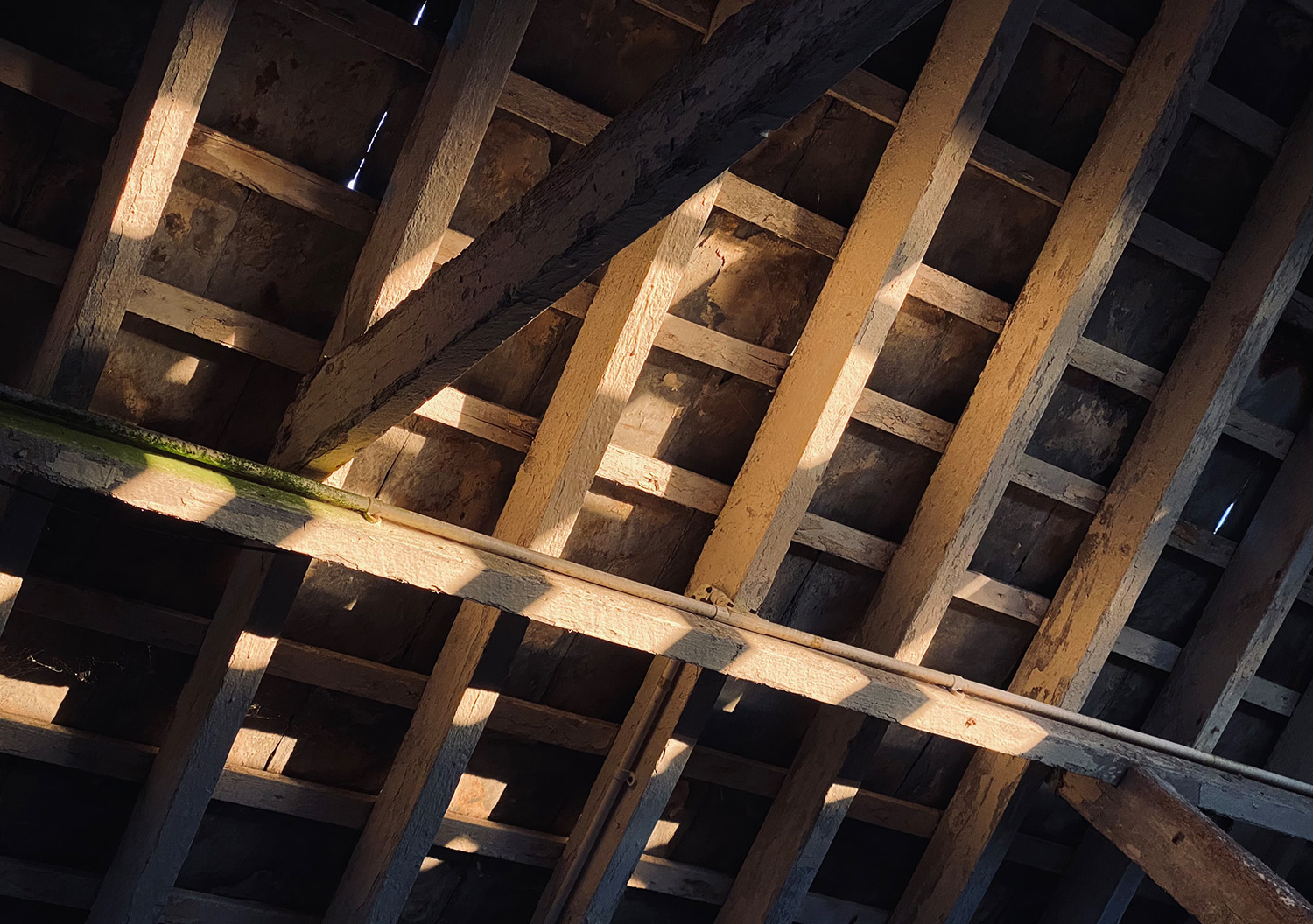 Moments and views to the landscape
 -
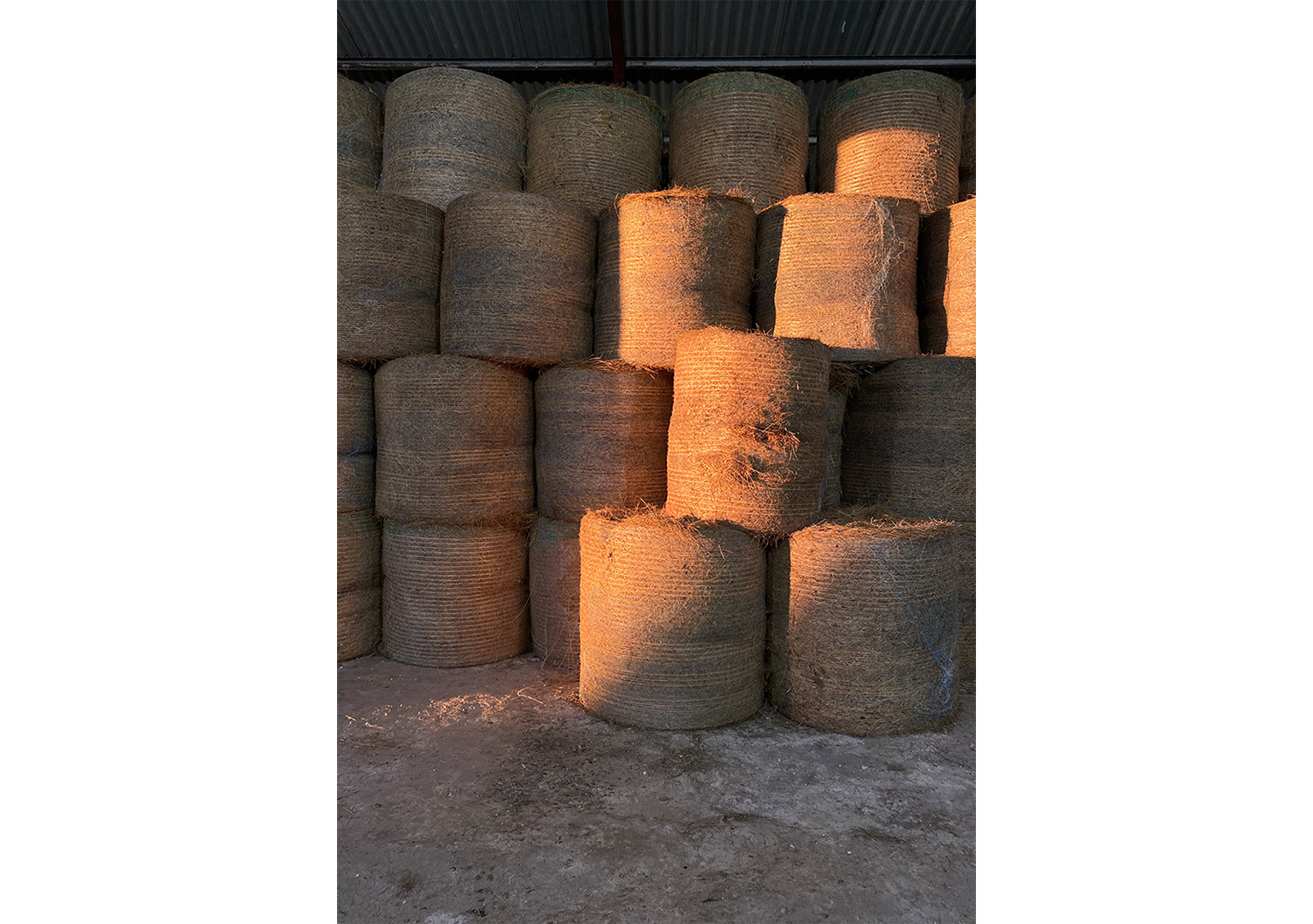 Moments and views to the landscape


-
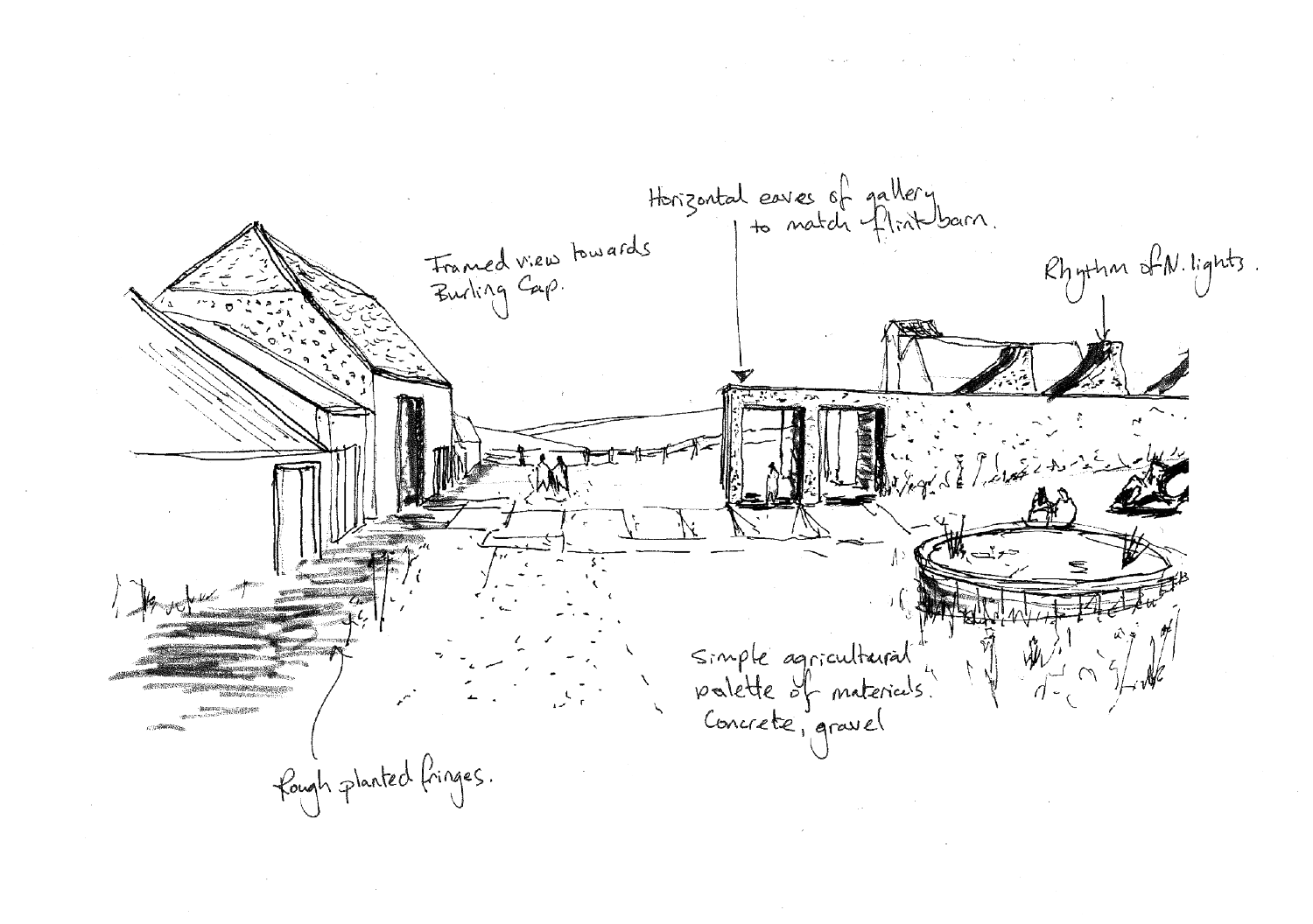 Initial development sketch
 -
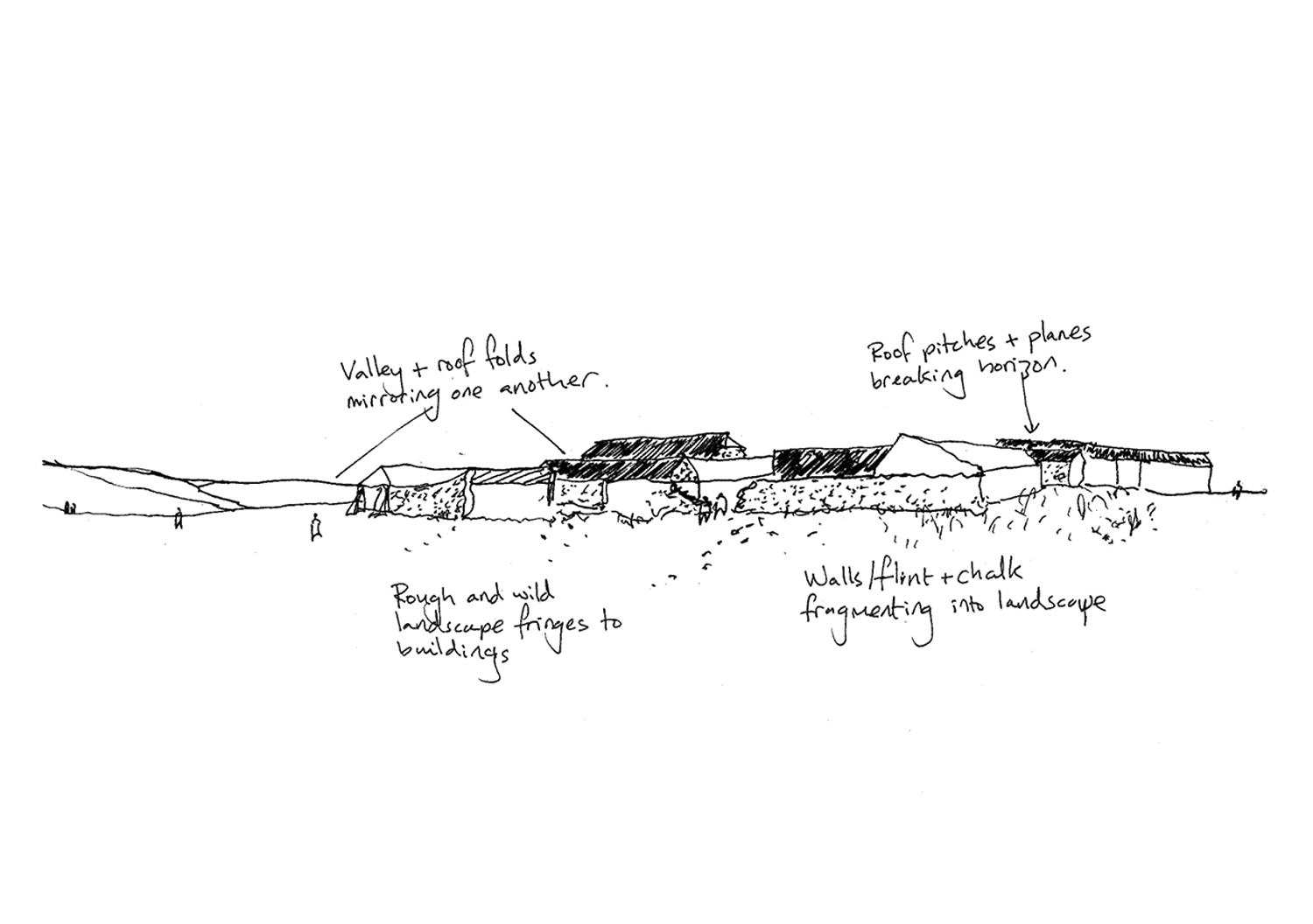 Initial development sketch
 -
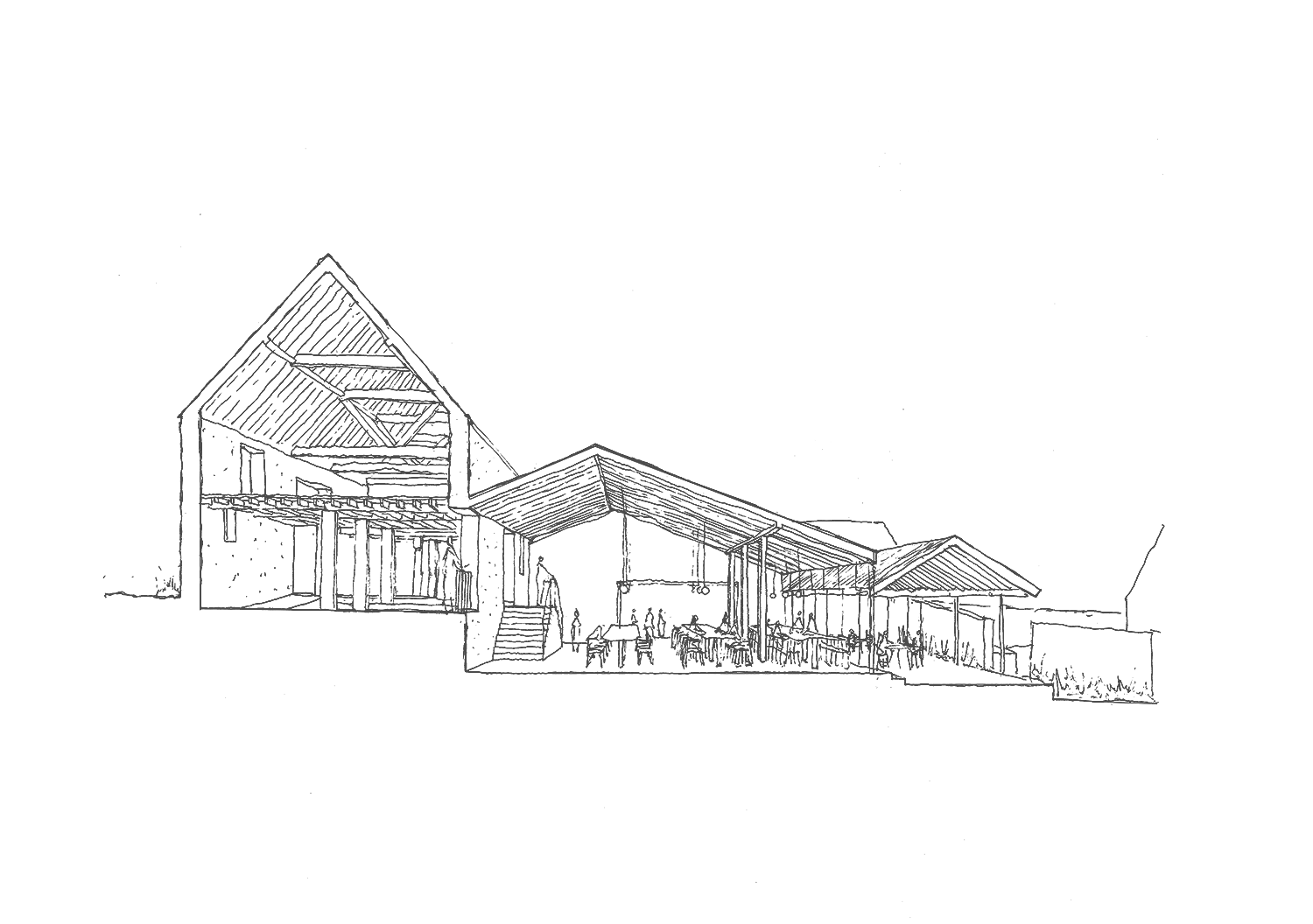 Initial development sketch
 -
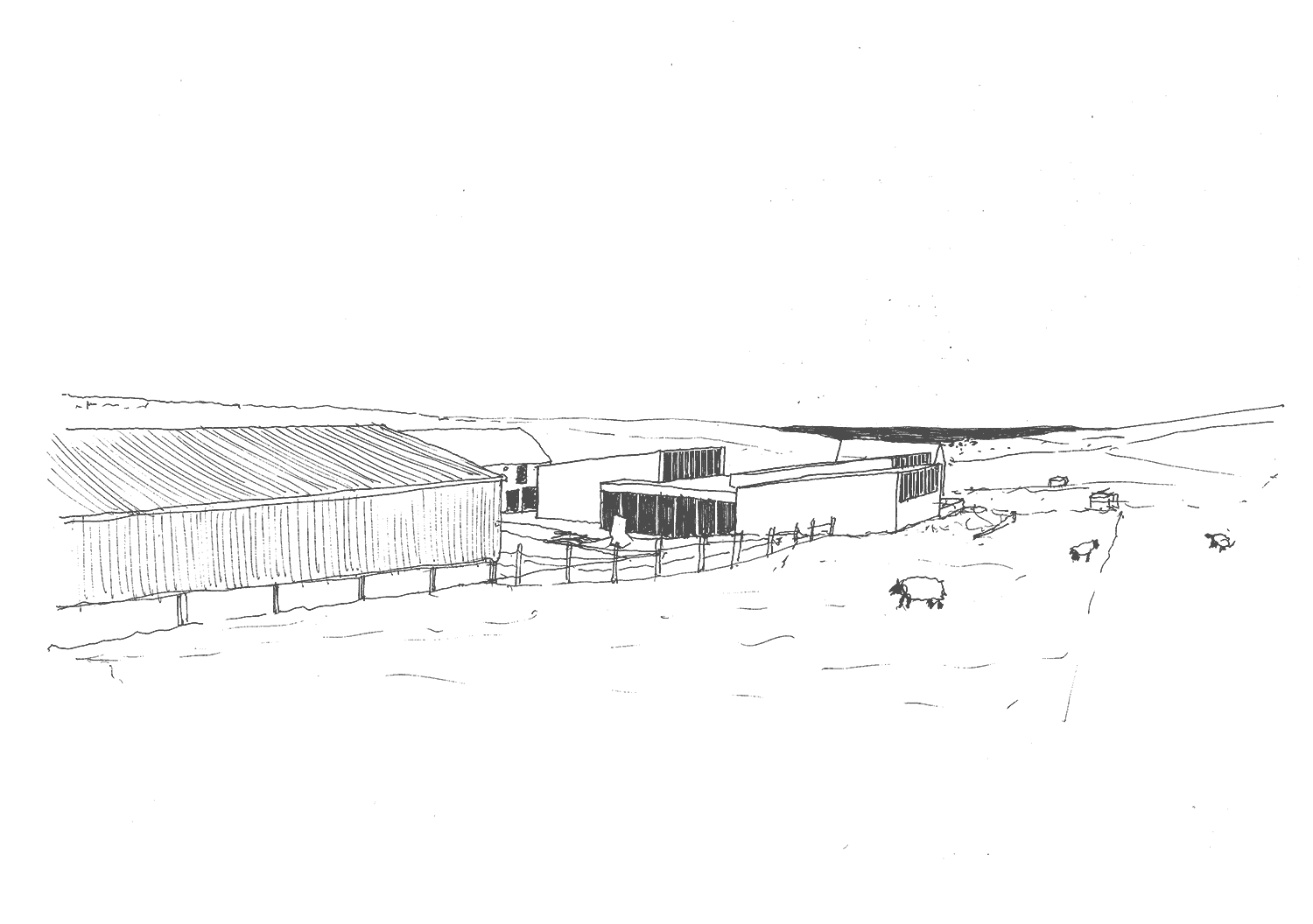 Initial development sketch
 -
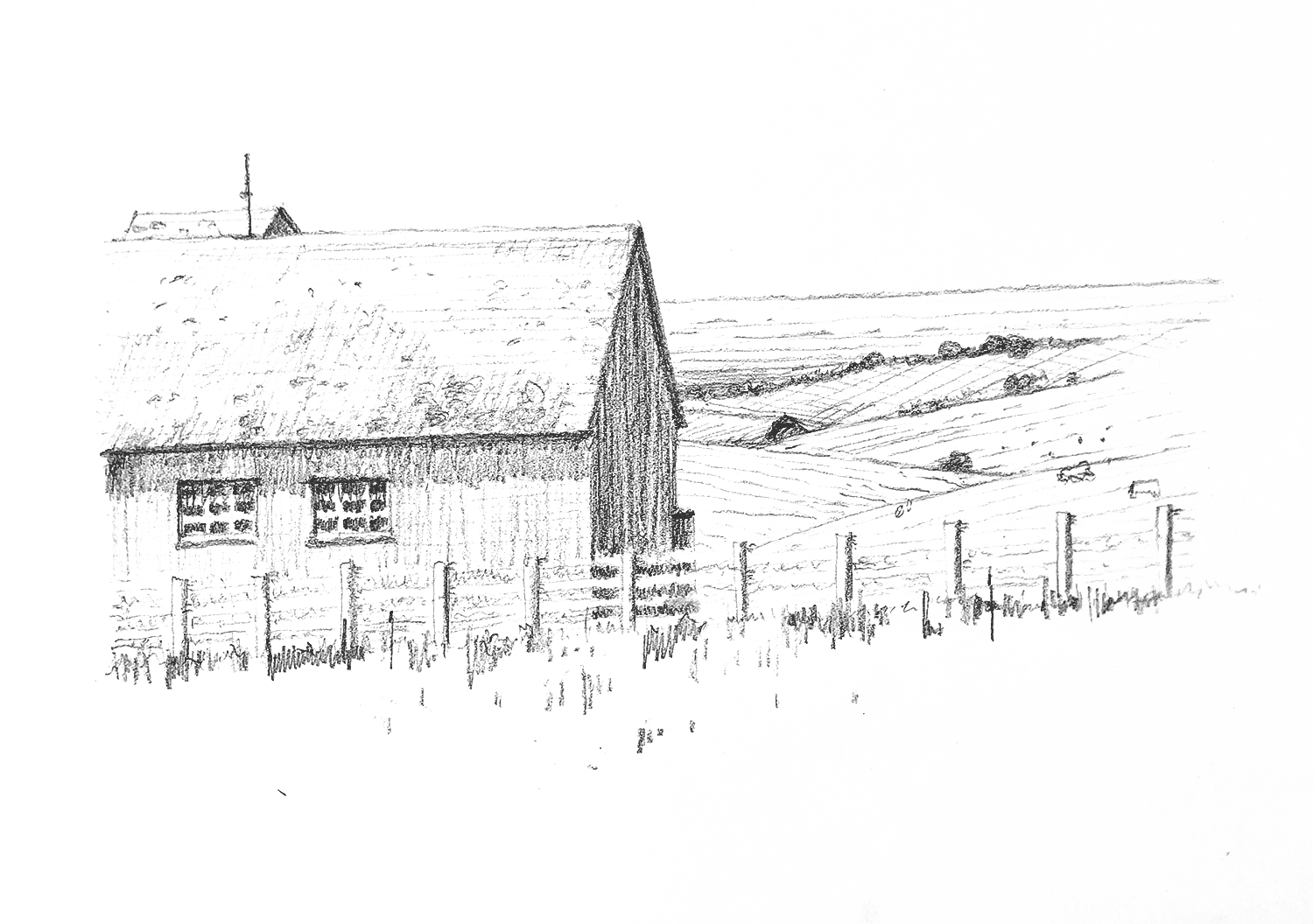 Initial site sketch
 -
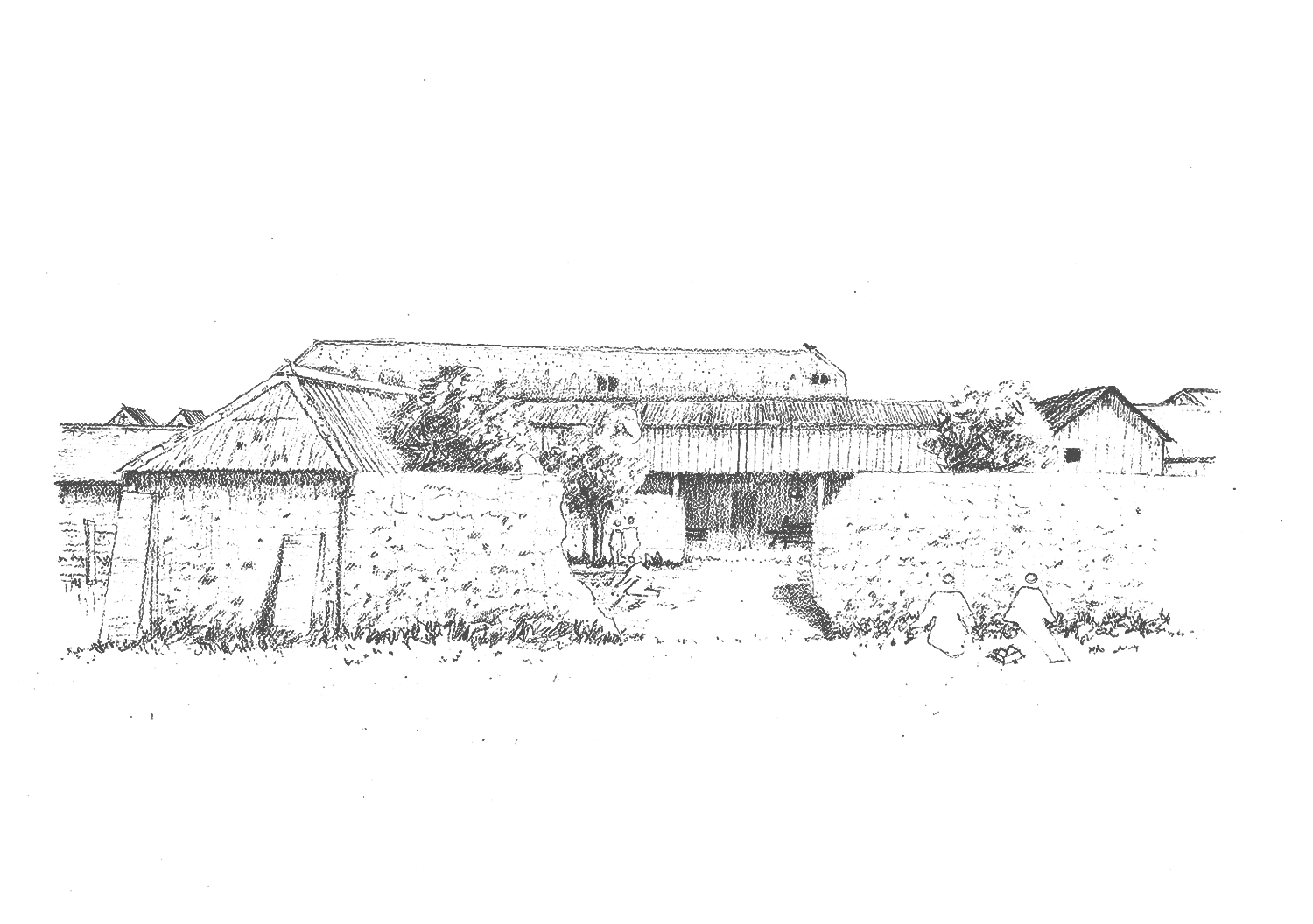 Initial site sketch
 -
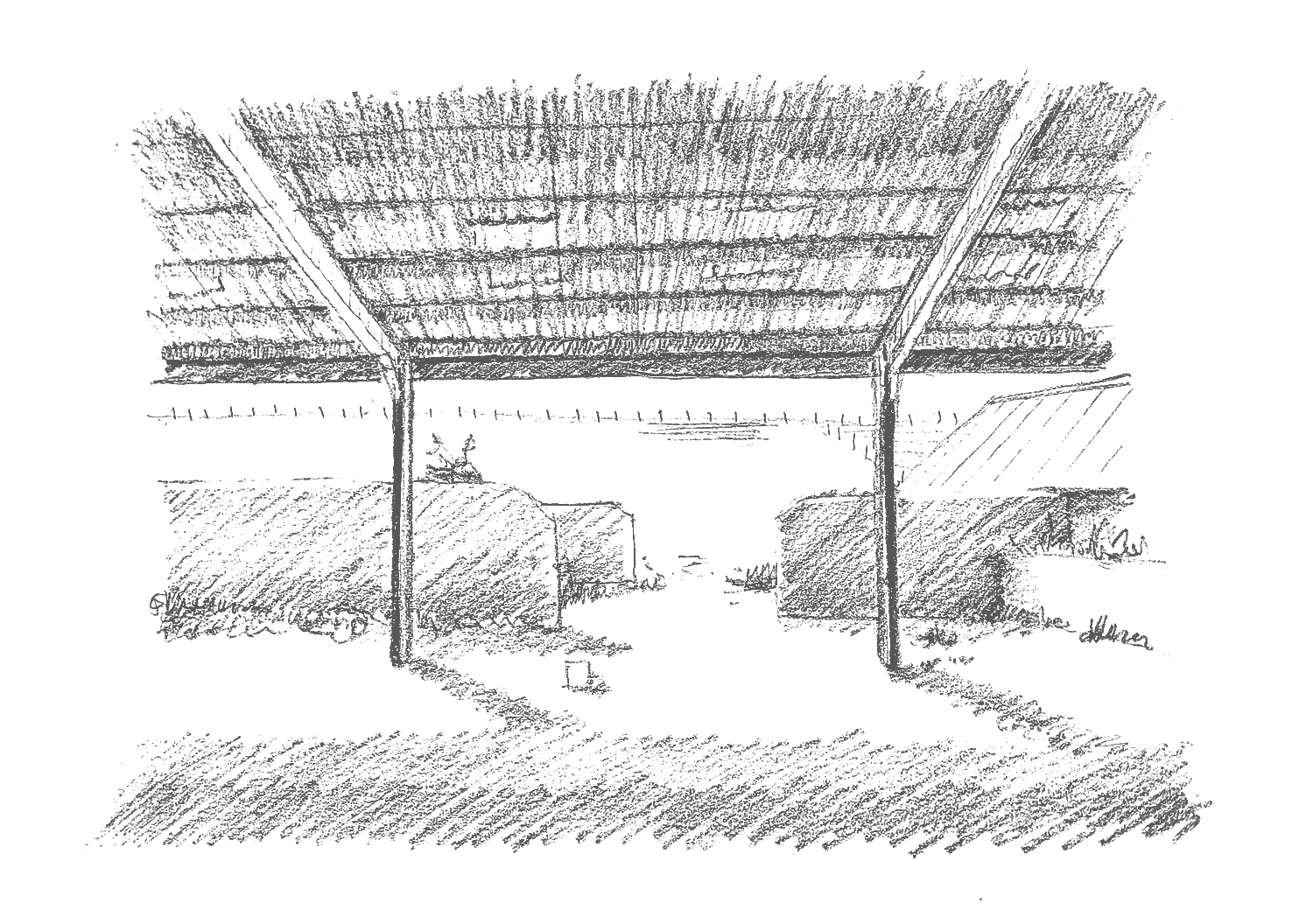 Initial site sketch


-
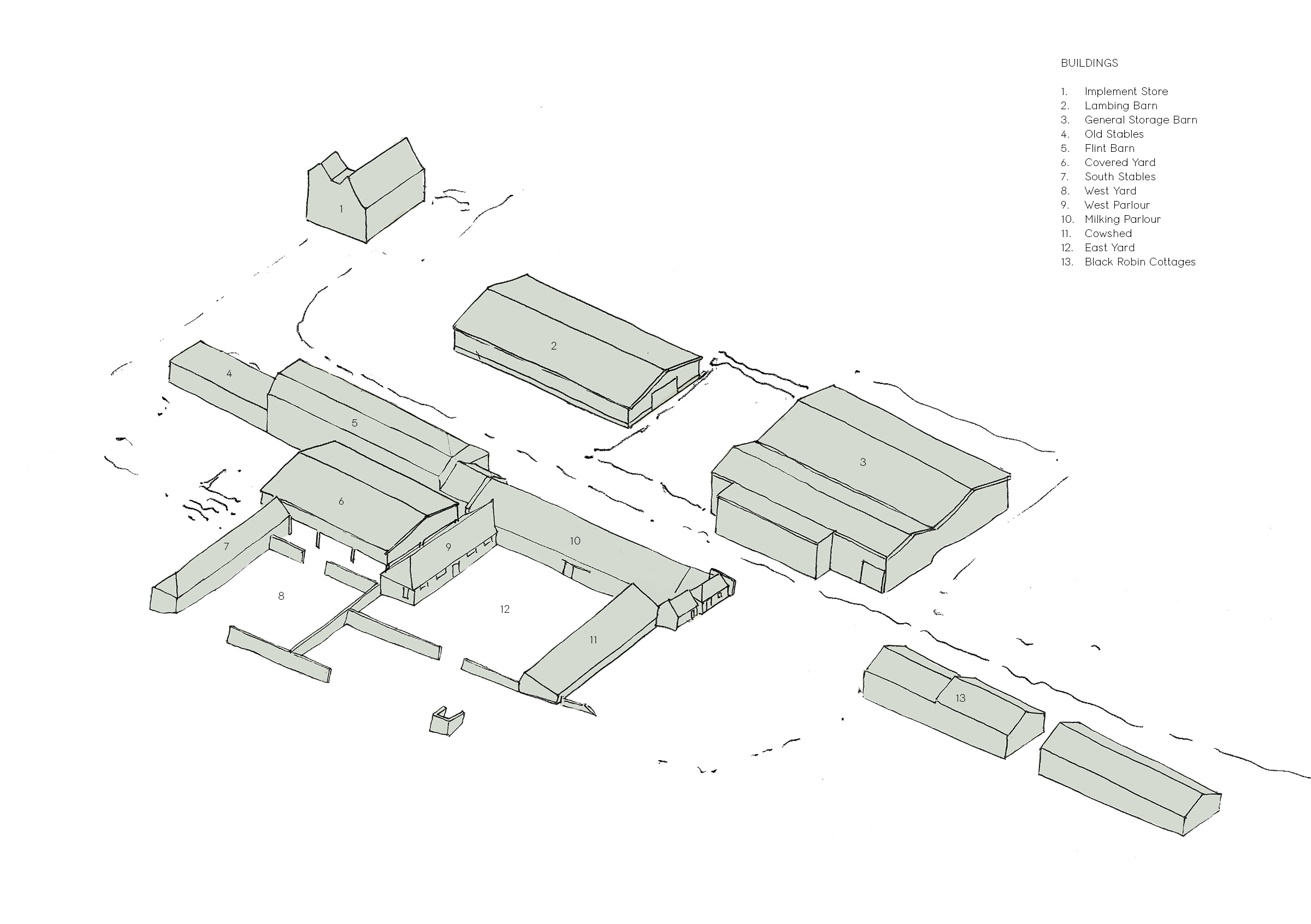 Existing farmstead
 -
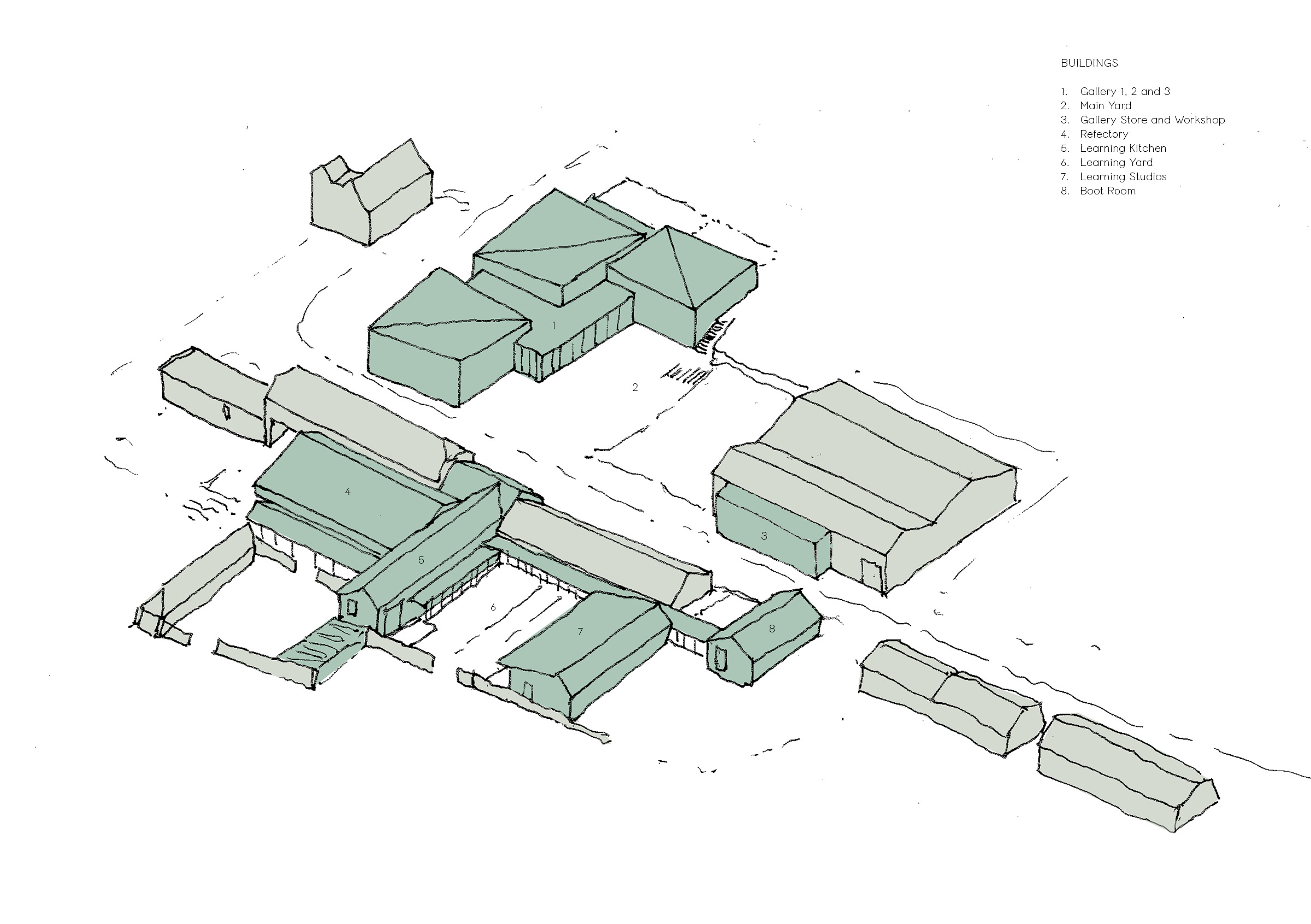 Proposed gallery, events, learning and dining spaces


Chalk and Flint
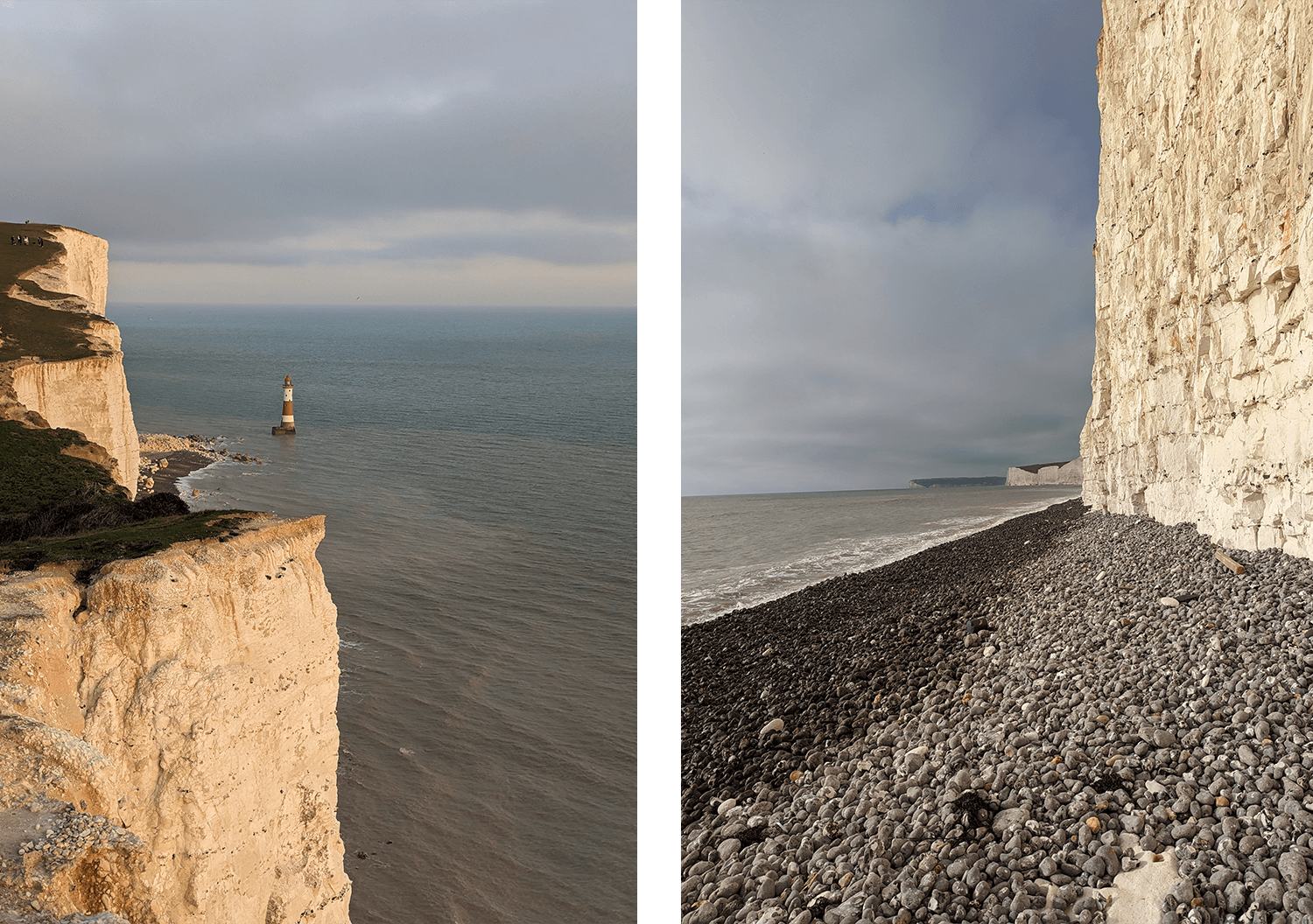
The farm and its site is shaped by the mineral landscape of chalk and flint. The pale, dry, porous terrain comprises flint-spattered fields, hedgerows, and shallow valleys, to which the architecture responds directly. Material re-use has been prioritised, with reclaimed brick, lime mortar, flint, and landscape excavations forming a palette born of the site. Recycled knapped flint from deconstructed walls and buildings, along with natural field flints foraged on site, will be incorporated, and any existing lime mortar will be reused as aggregate. Working with The Flint Wall Company, a local specialist, we have developed a robust approach to materials, finishes, and construction rooted in the character of the site.
-
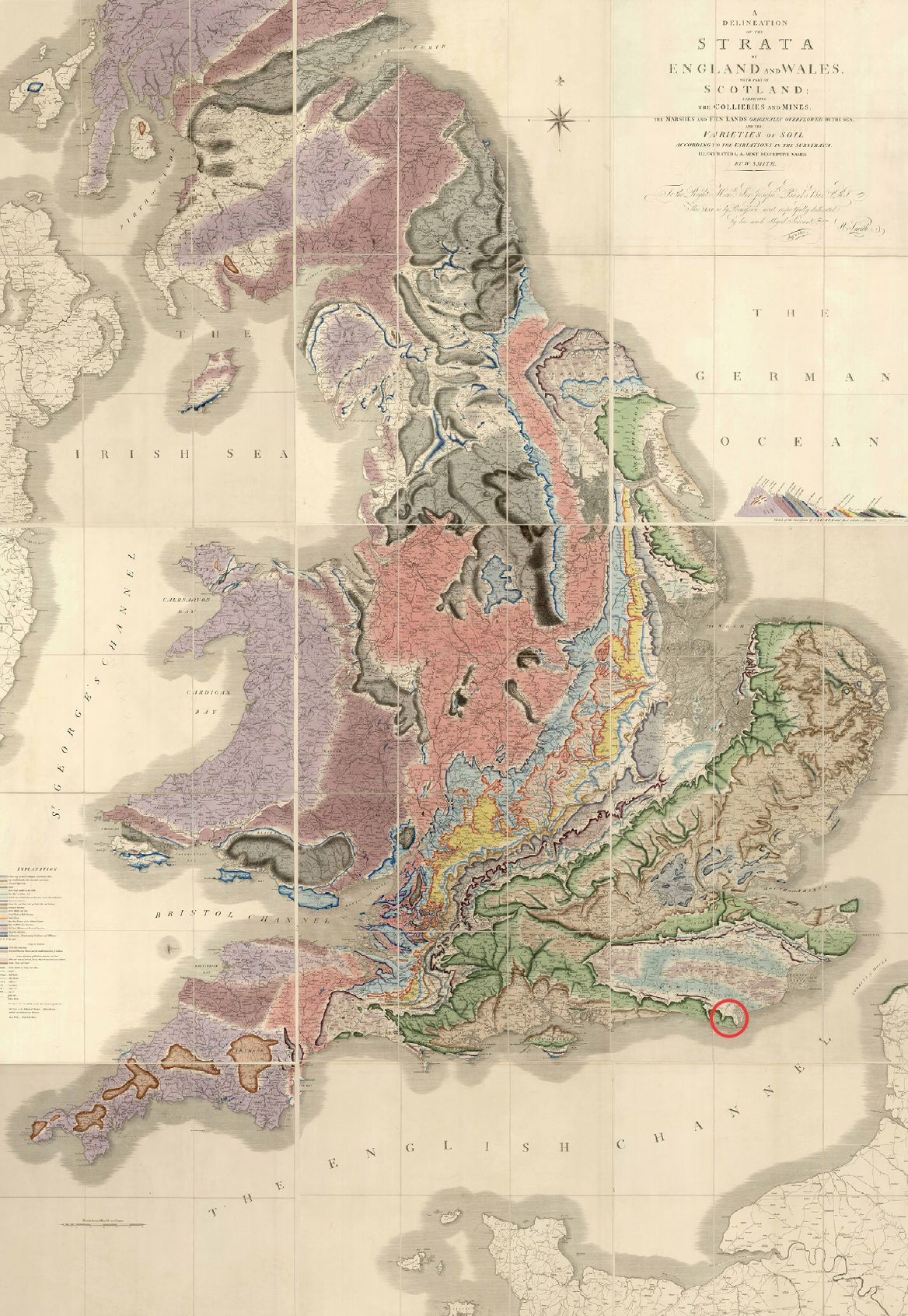 Map of the geological strata of England, Wales and Scotland

-
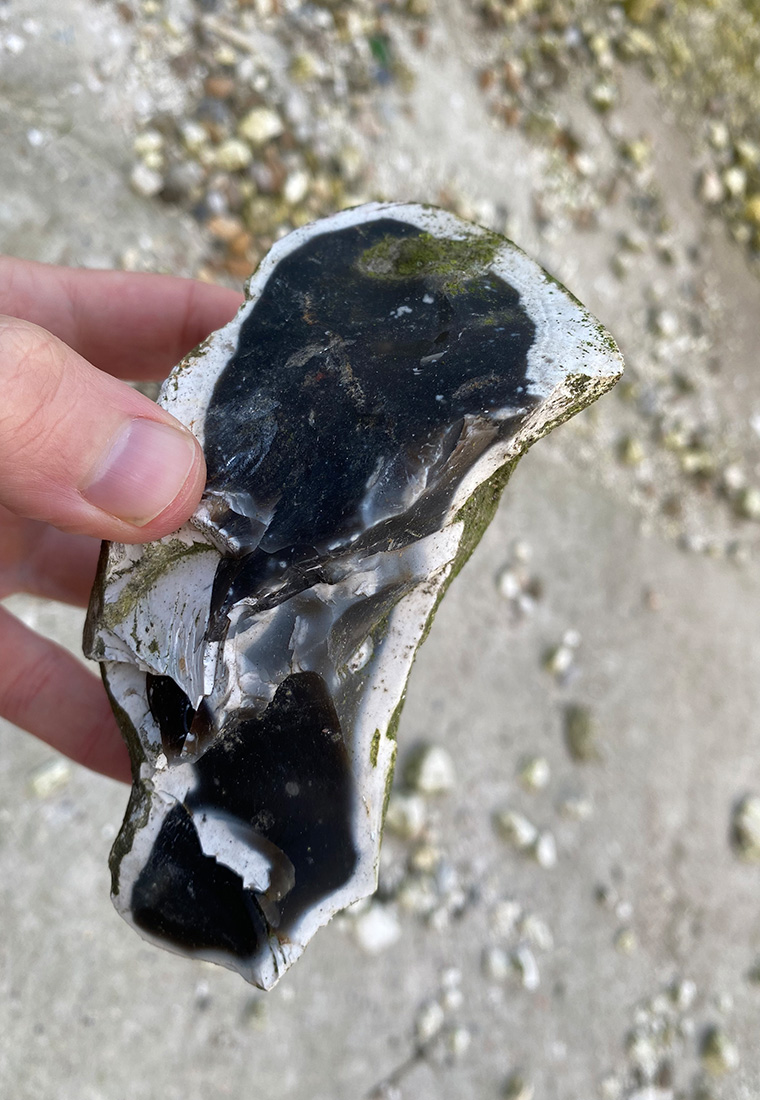 A piece of flint

-
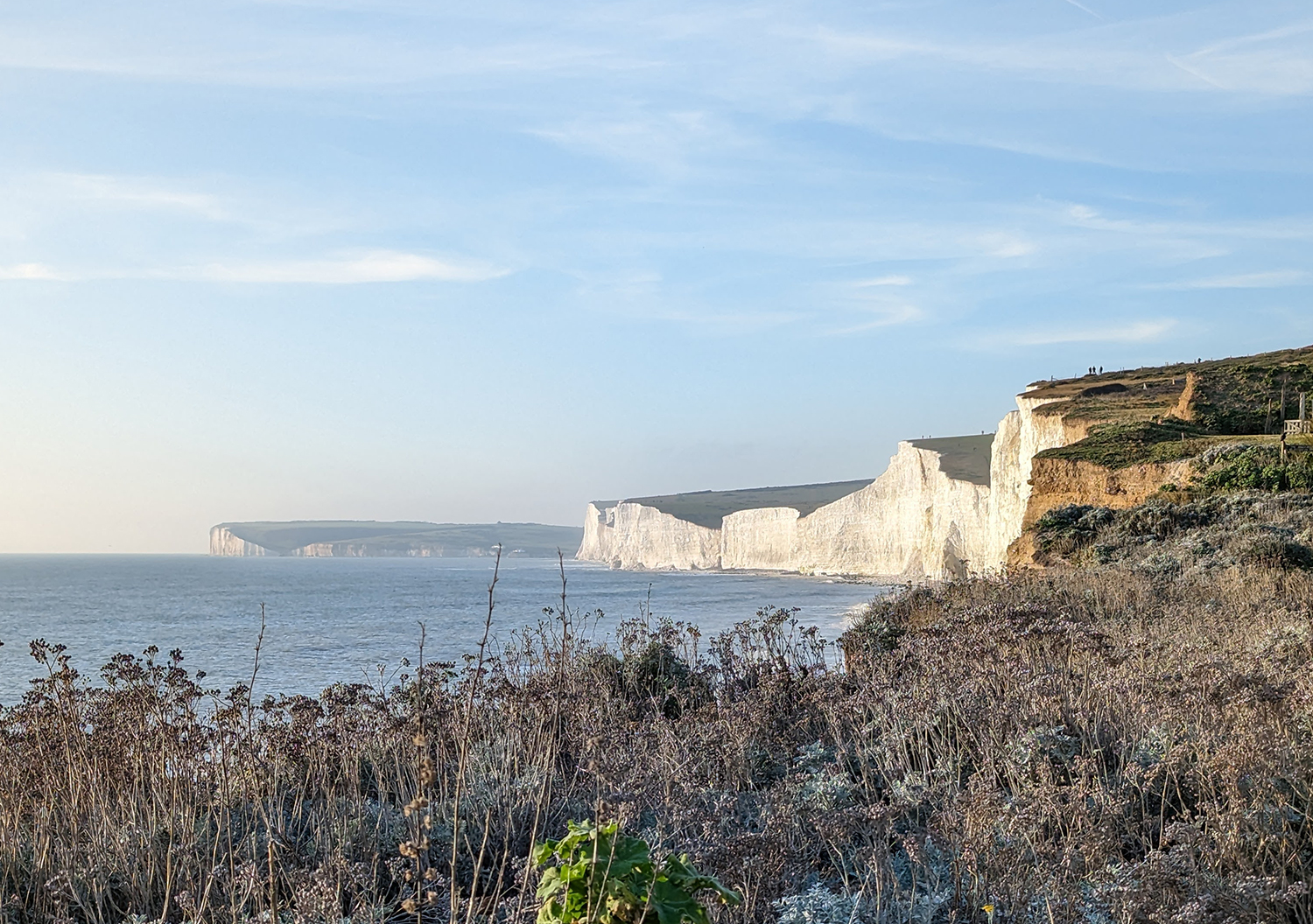 Distinctive chalk headlands of the South coast
 -


New Galleries
The new gallery building sits on the northern side of the track and comprises three distinct gallery volumes, rendered in lime and flint. Monopitch roofs follow the land’s slope, providing north-lit galleries and optimal orientation for photovoltaic panels. The arrangement references grain silos and the logic of single-function agricultural spaces, while framing westward views to Birling Gap. A north-south axis defines a large courtyard, sheltered from prevailing westerly winds. Internally, gallery spaces were developed with Towner to create flexible, simple, raw spaces for art; one gallery is climate-controlled, while the other two are designed to GIS standards.
-
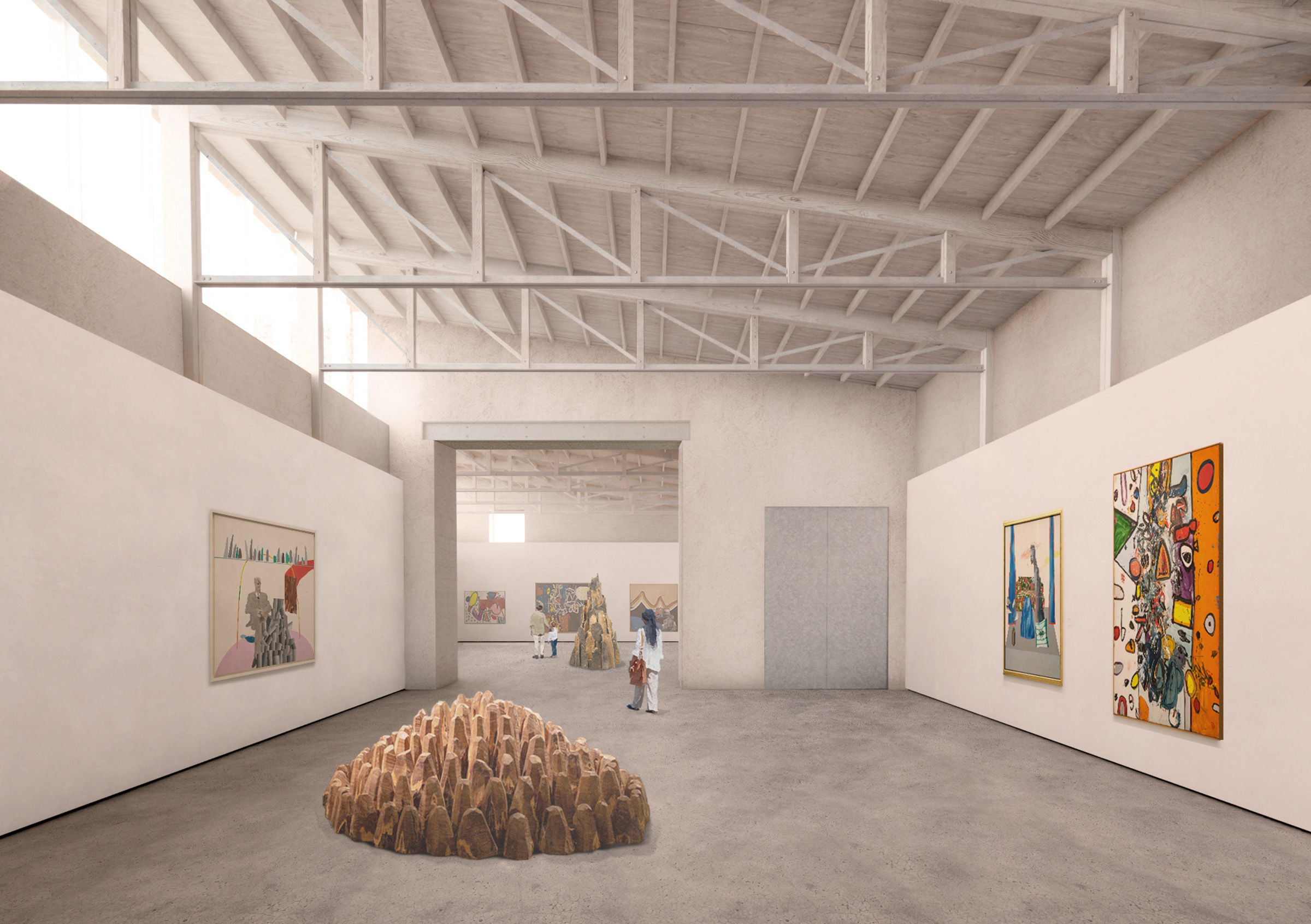 Inside the main gallery
 -
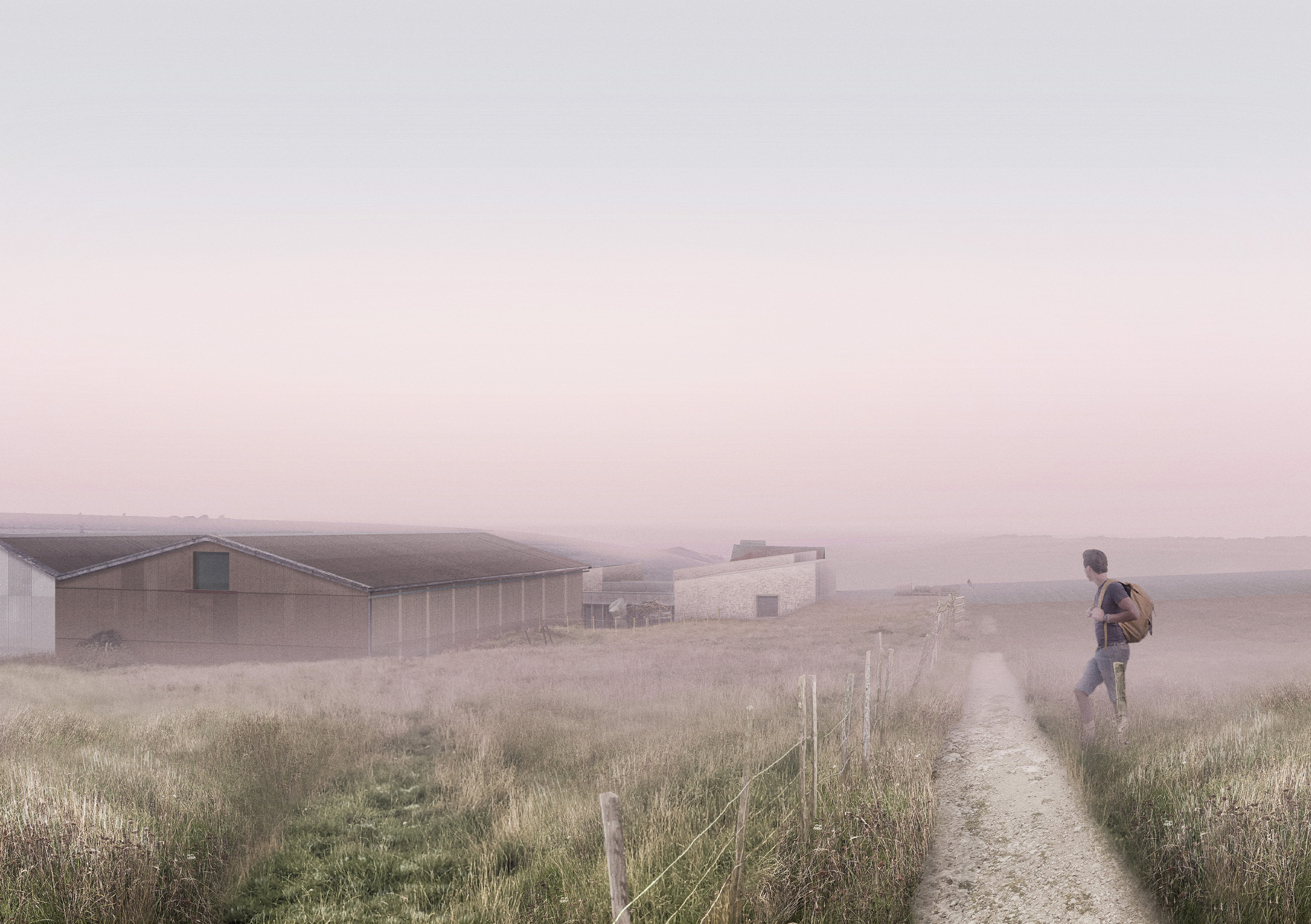 View from the public footpath


The Historic Farmhouse Typology
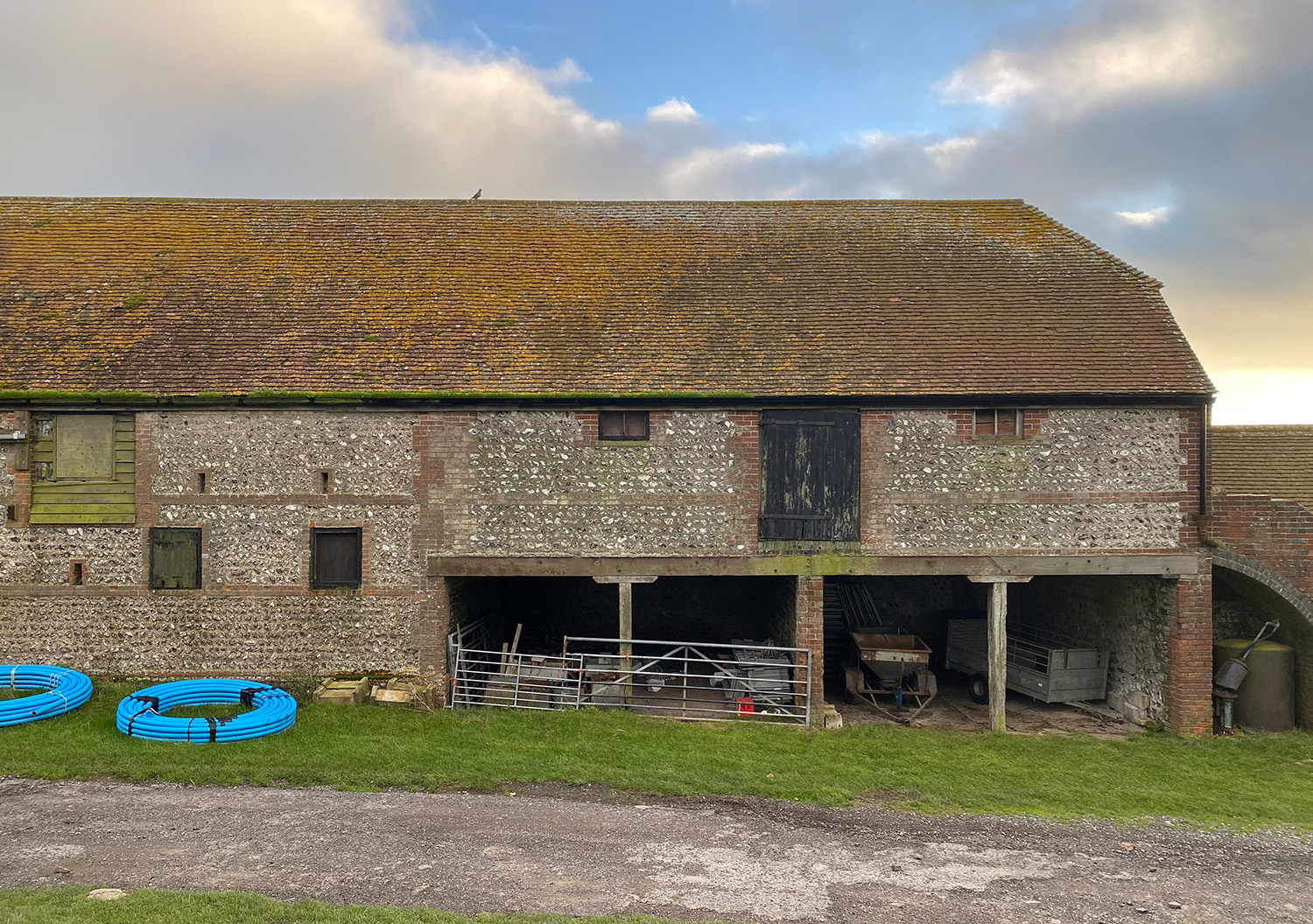
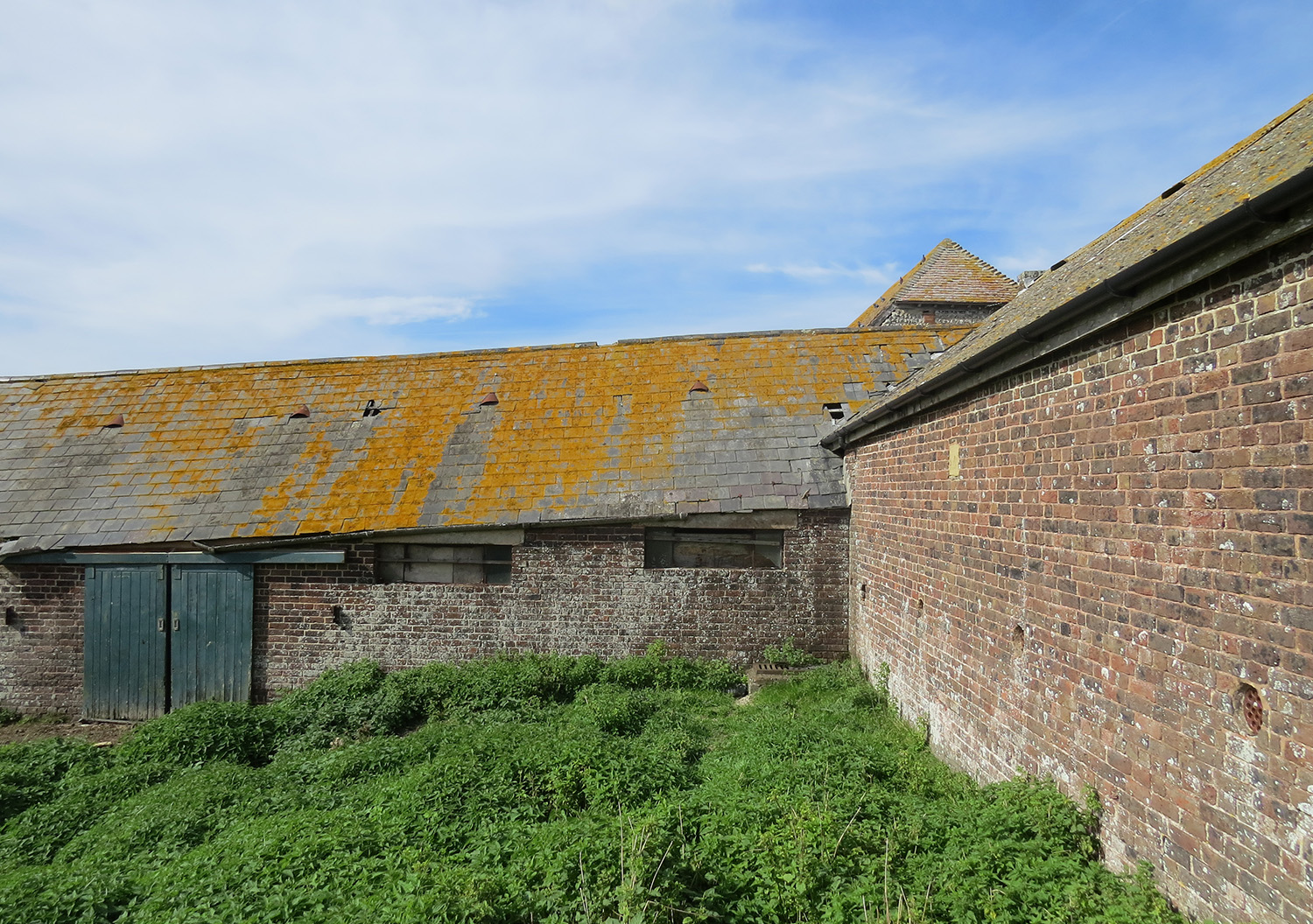
The existing agricultural buildings date from the late 19th century and are arranged in archetypical E-plan formations around fold yards to protect animals from exposure to the harsh winds. The farm was extended throughout the 20th century, giving rise to a tension between two different scales of built fabric, which creates a spatially dynamic site, and visually tells the story of the evolution of the farm and its activities. The new proposals are derived from an exploration of these scales and a respect for the as-found agricultural character and celebrating the views out to Birling Gap and Beachy Head.
-
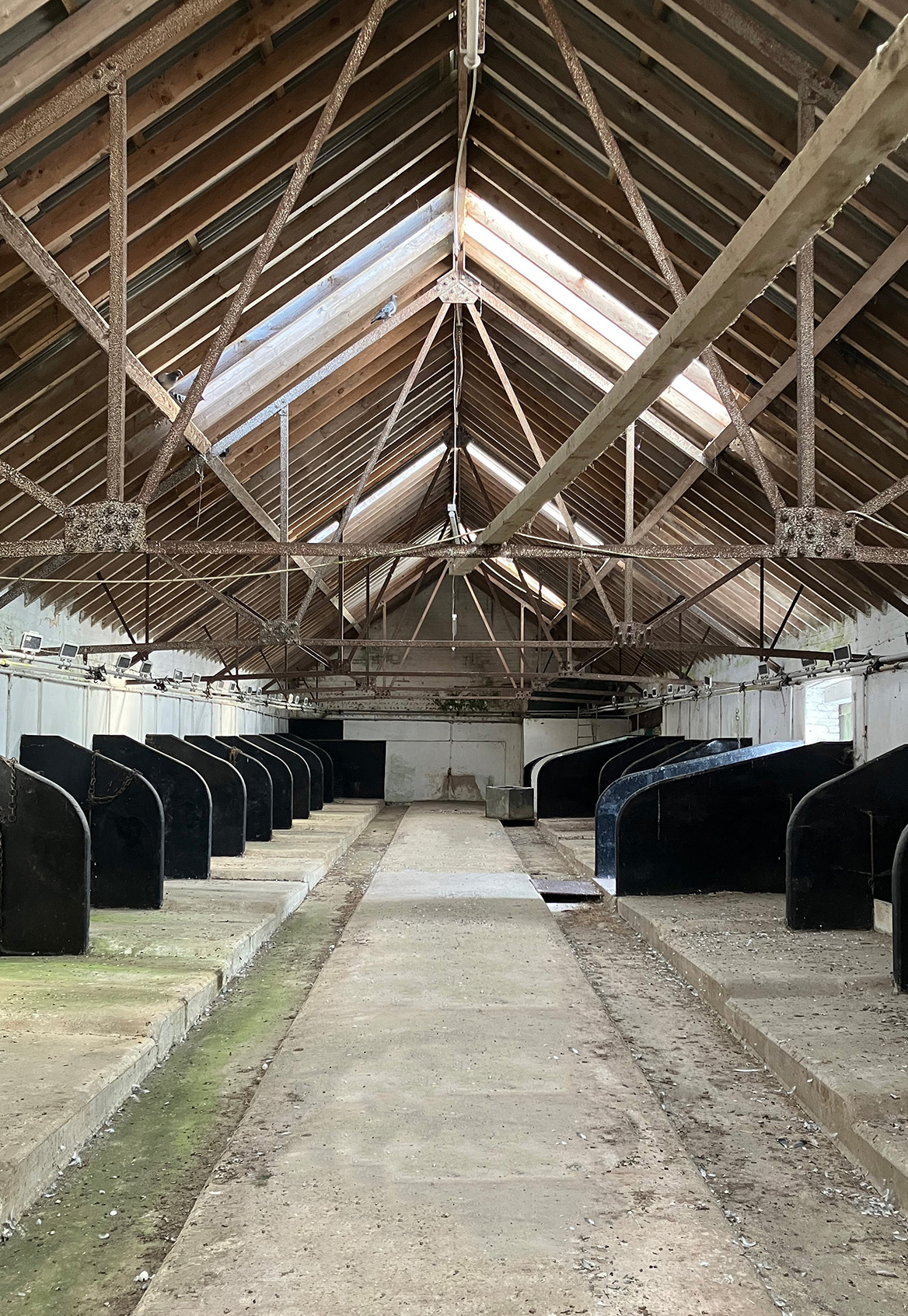 The milking parlour - existing
 -
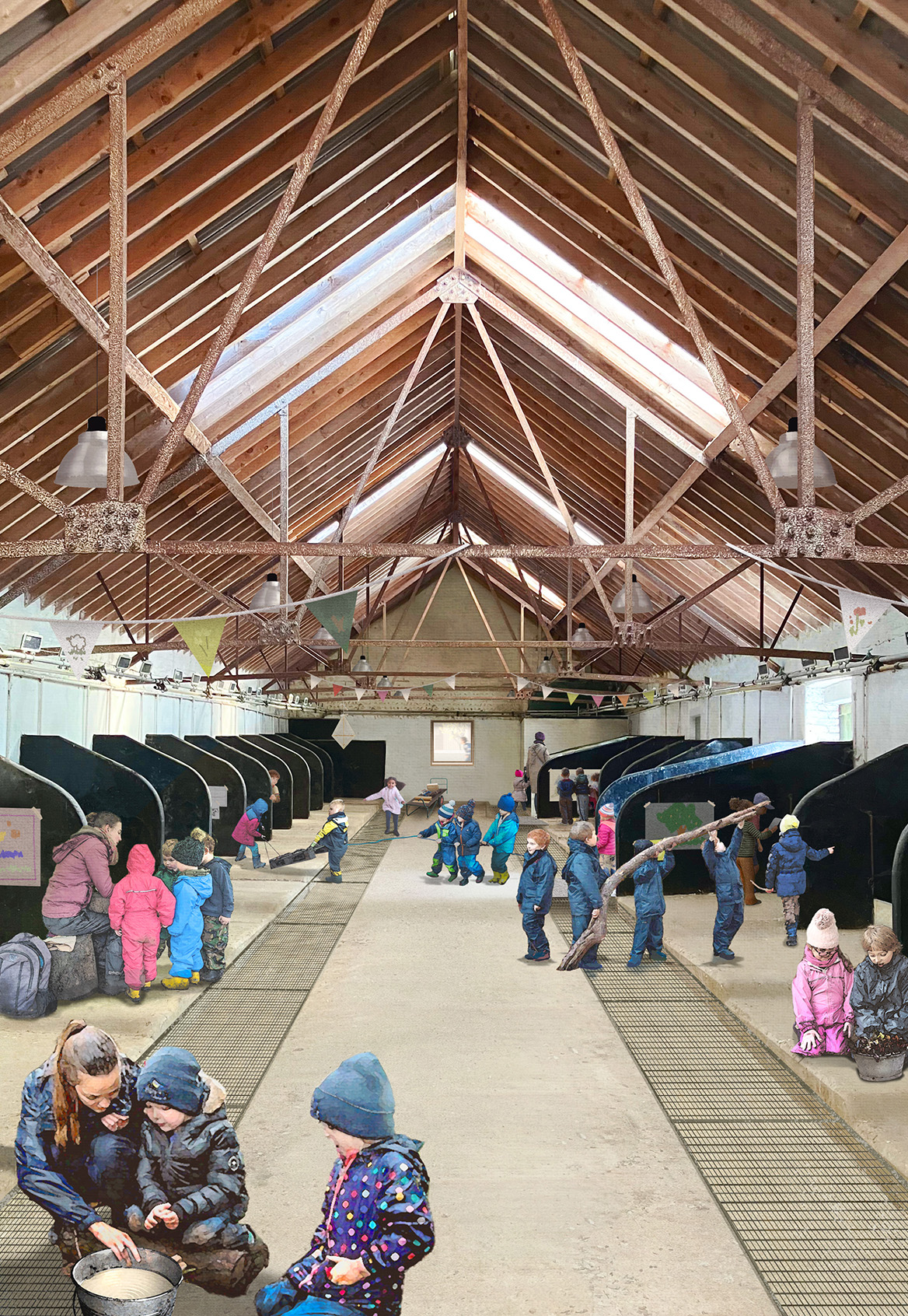 The milking parlour - proposed


-
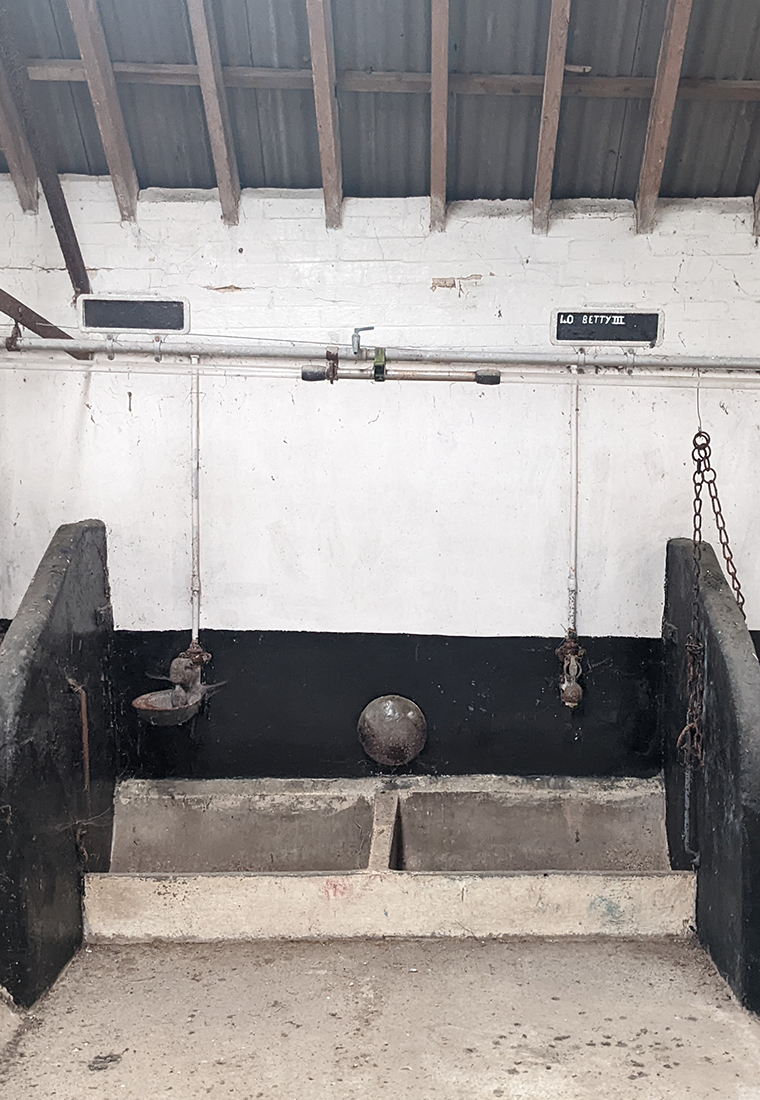 Existing milking parlour interior
 -
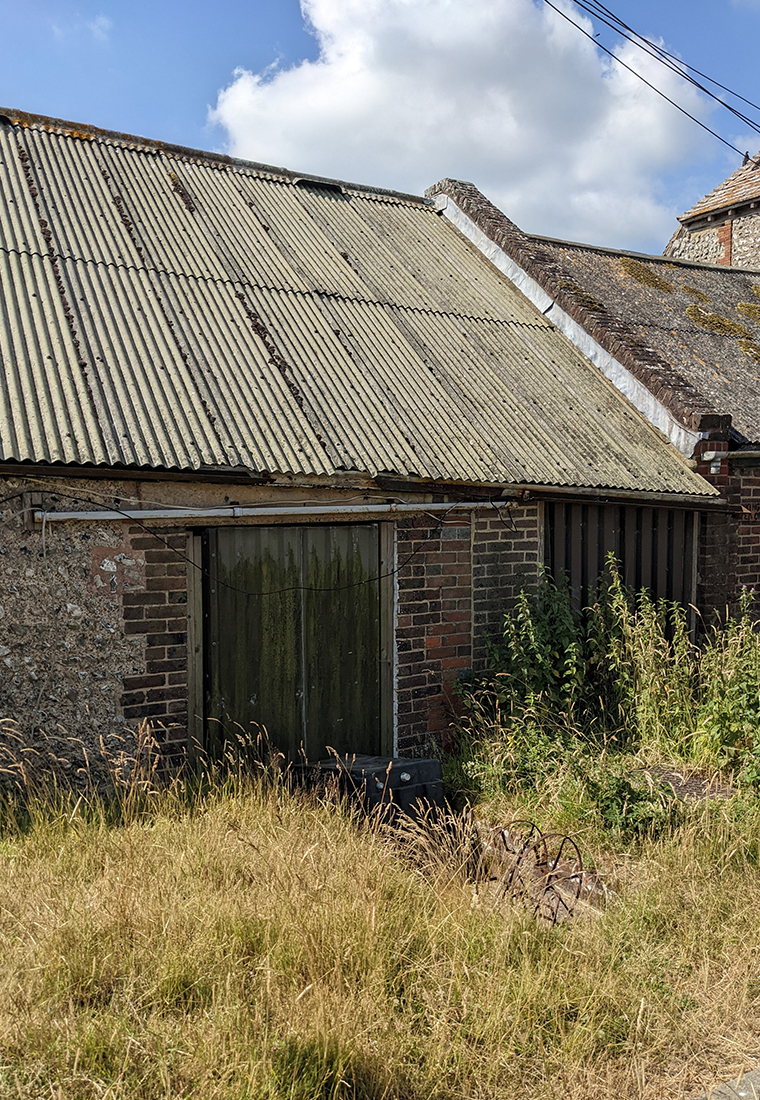 Existing milking parlour exterior
 -
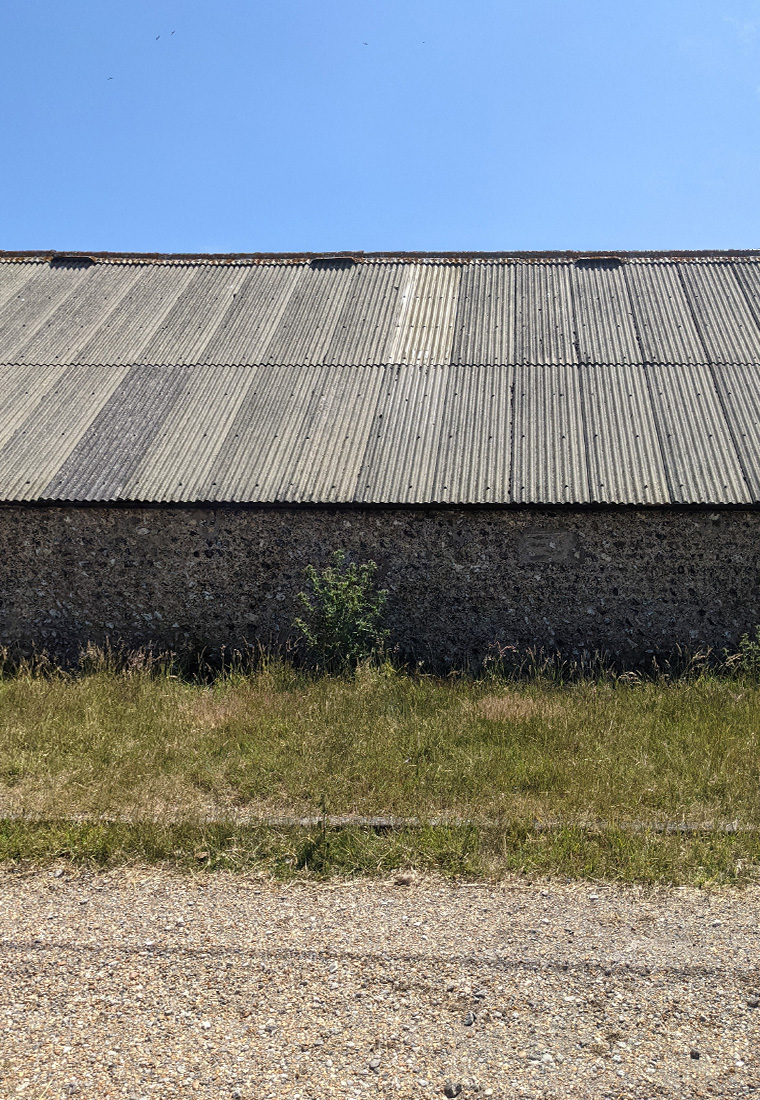 Existing milking parlour exterior
 -
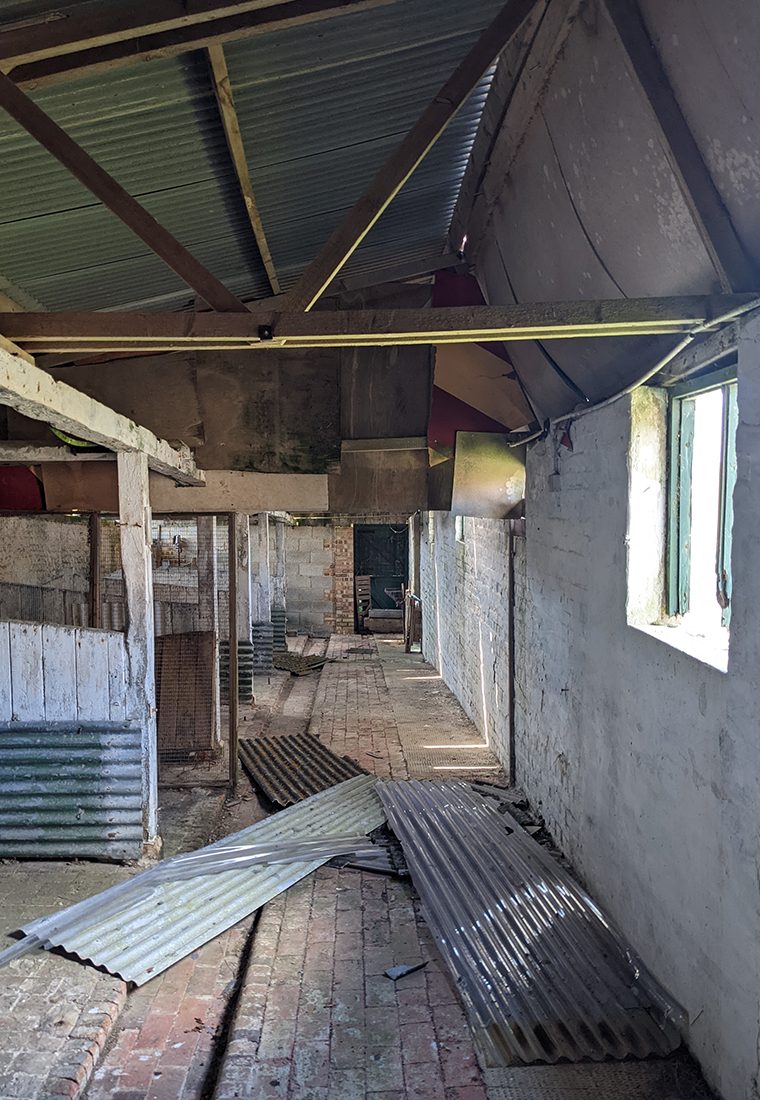 Existing cow shed interior


Spaces for Learning
New buildings replicate the north-south wings around an education yard and productive orchard, balancing accessibility with vernacular principles. Through careful study of the existing architecture, the design preserves and celebrates the sensory qualities of the site. A considered palette of scales, materials, and agricultural references fosters a rich connection to the landscape, creating spaces for learning, making, and community engagement within the South Downs.
-
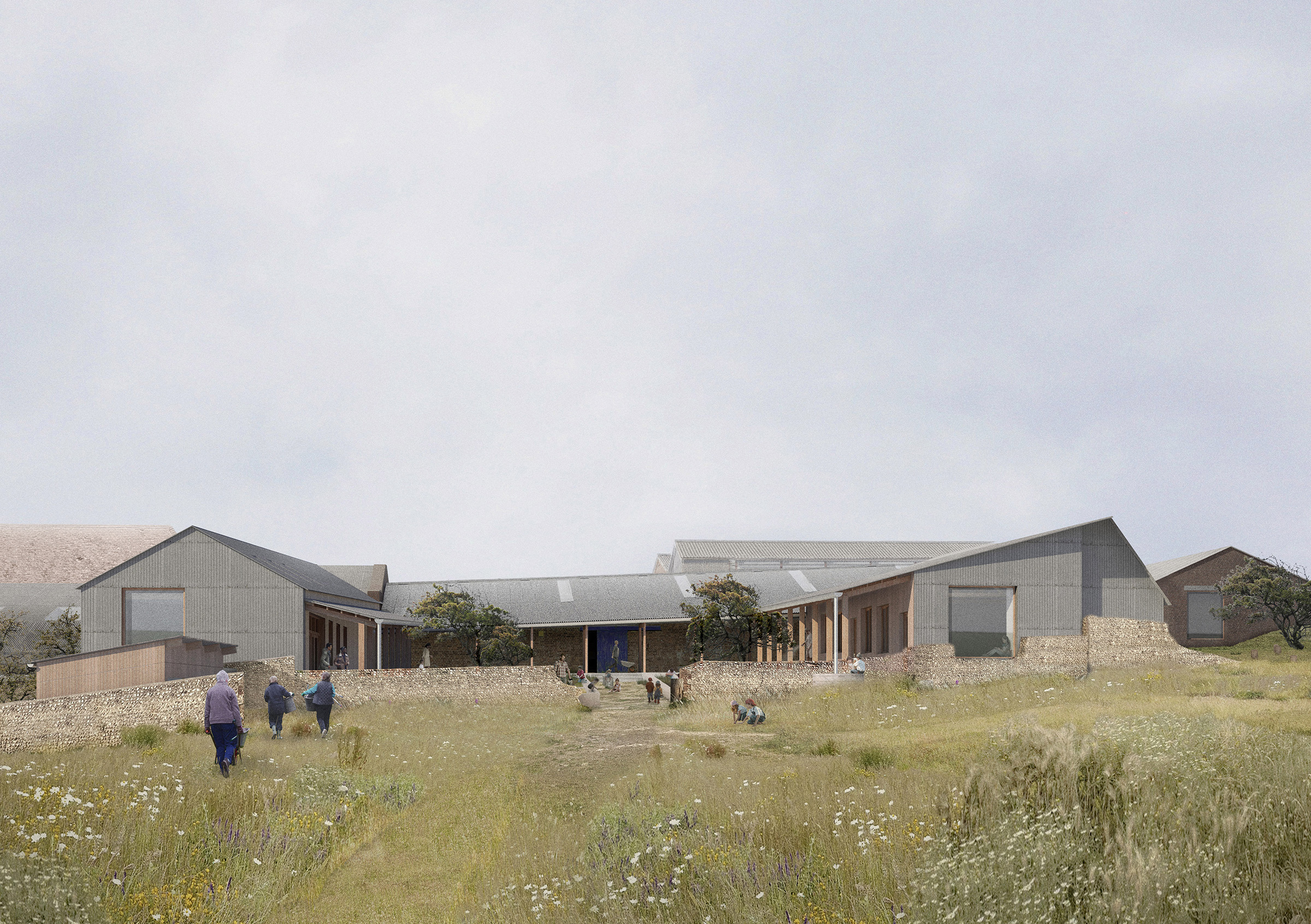 Looking towards the learning spaces

-
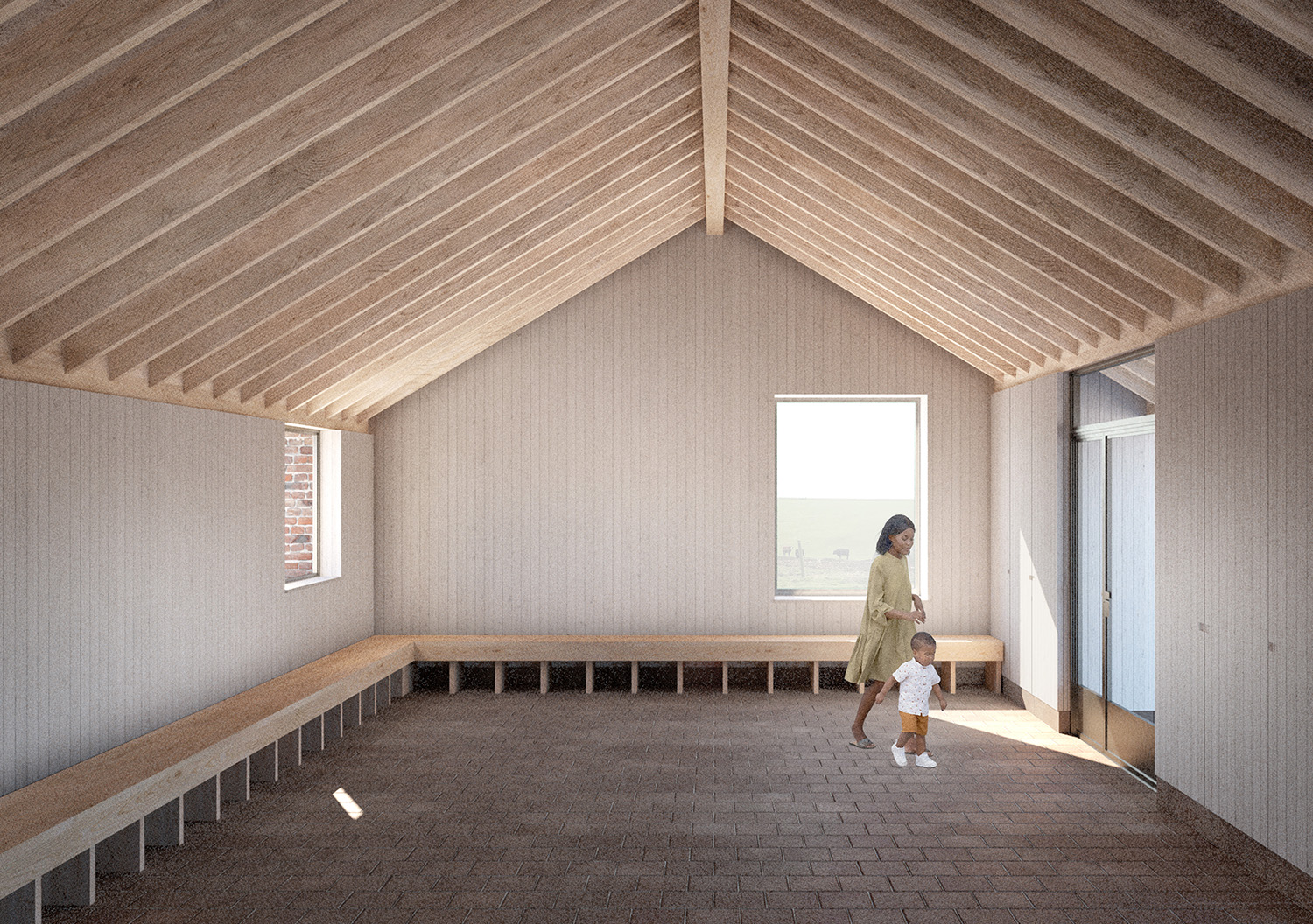 Boot room interior
 -
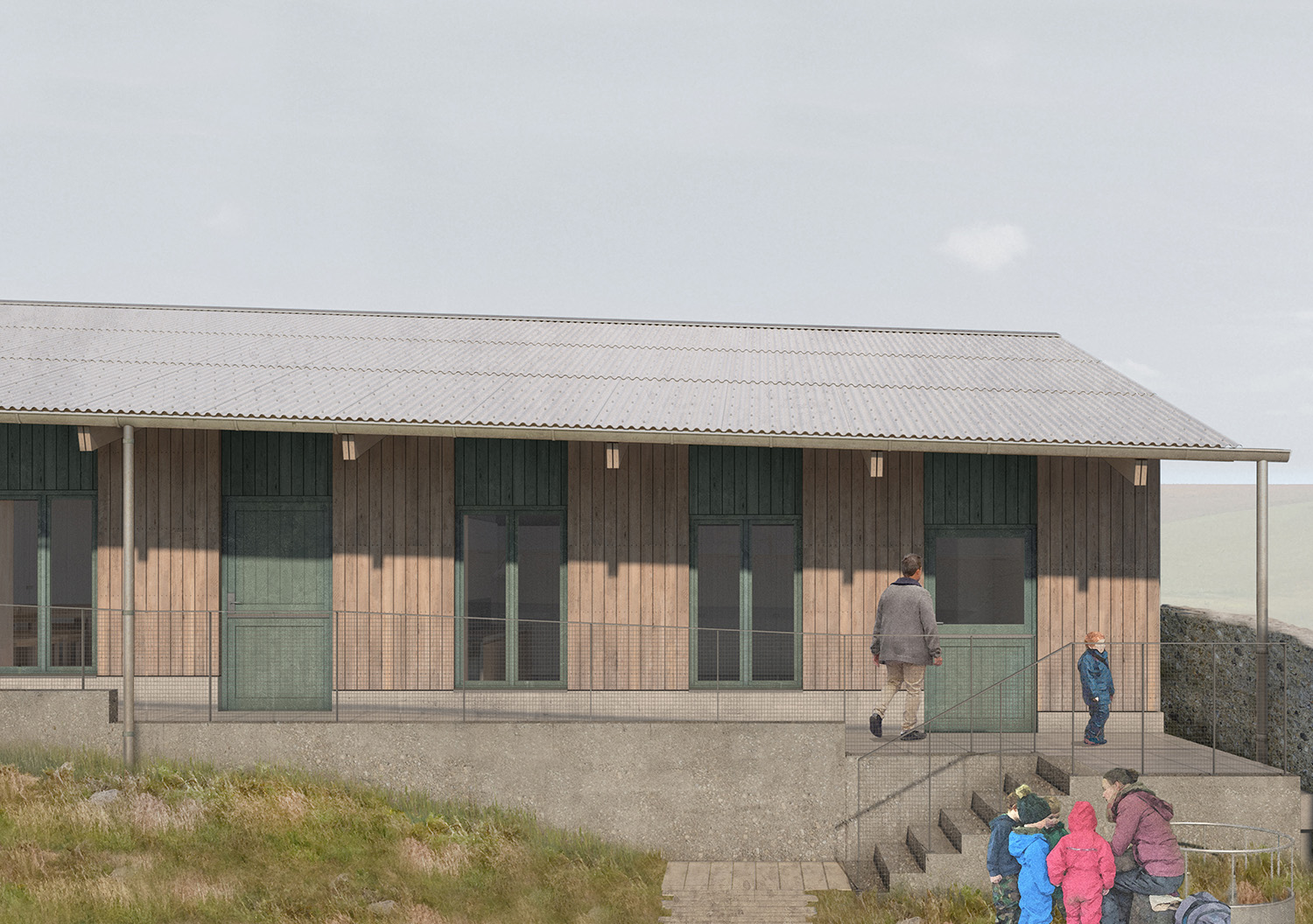 Learning studio courtyard
 -
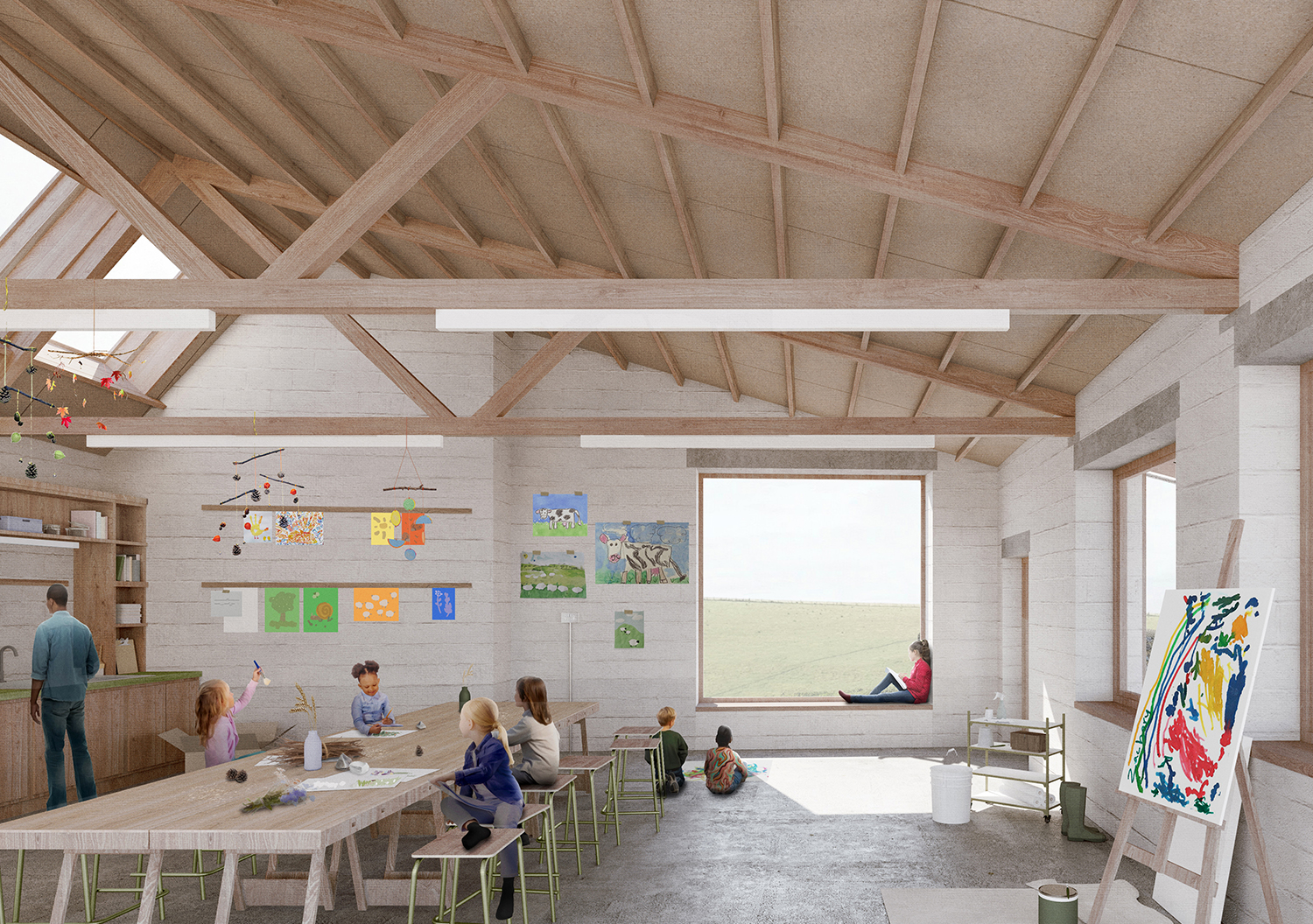 Learning studio view to the landscape
 -
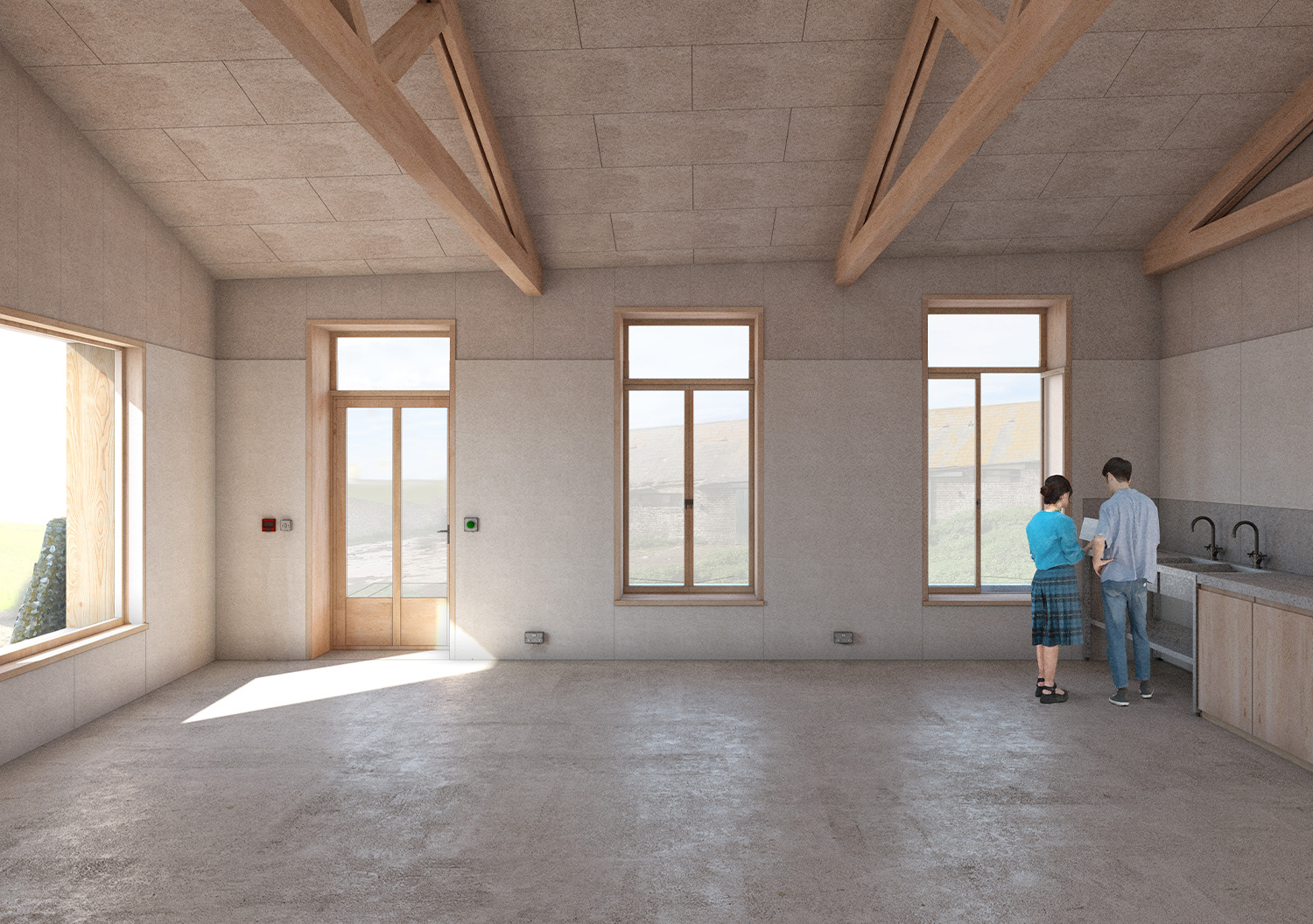 Learning studio interior
 -
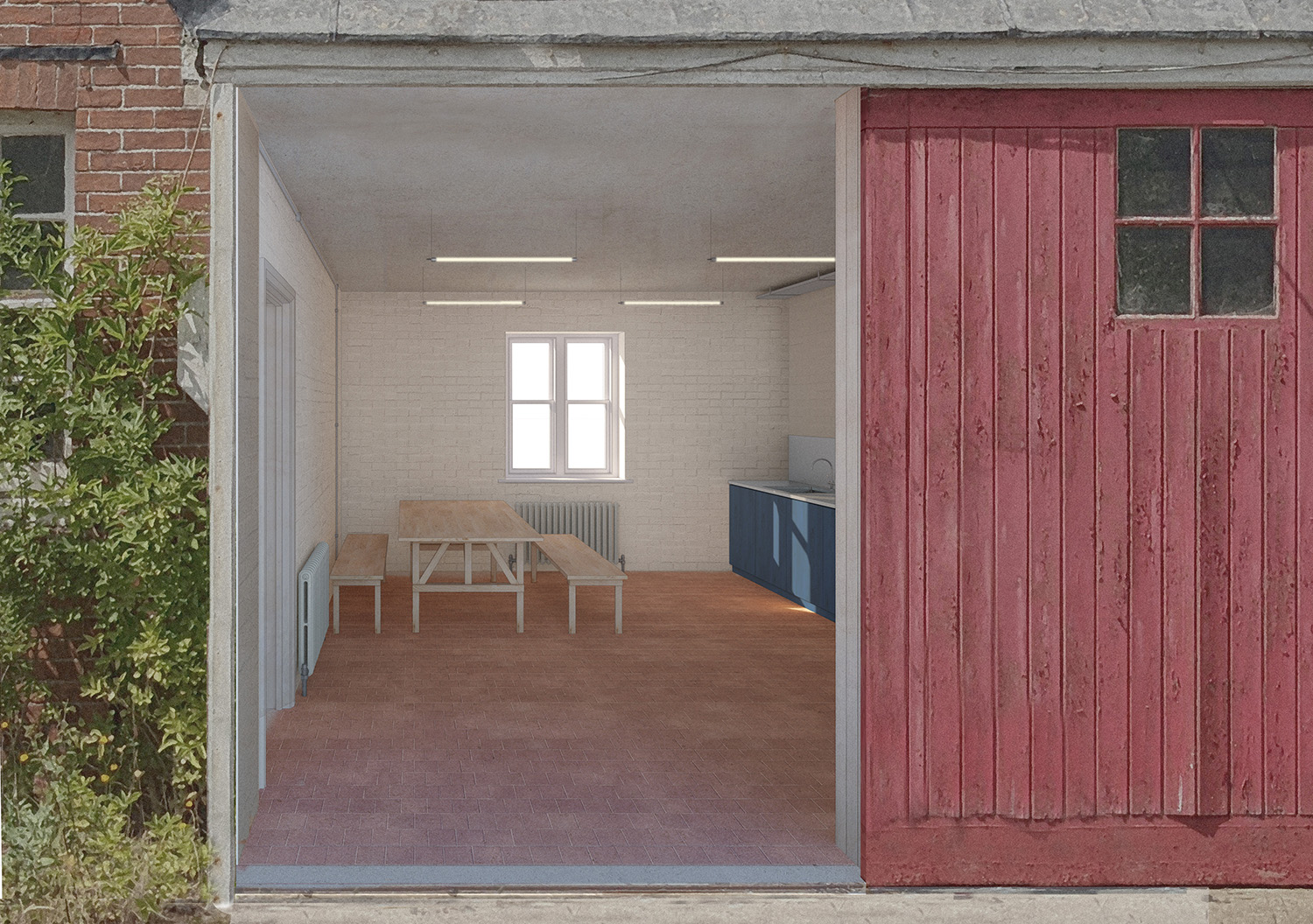 Farmhouse studio
 -
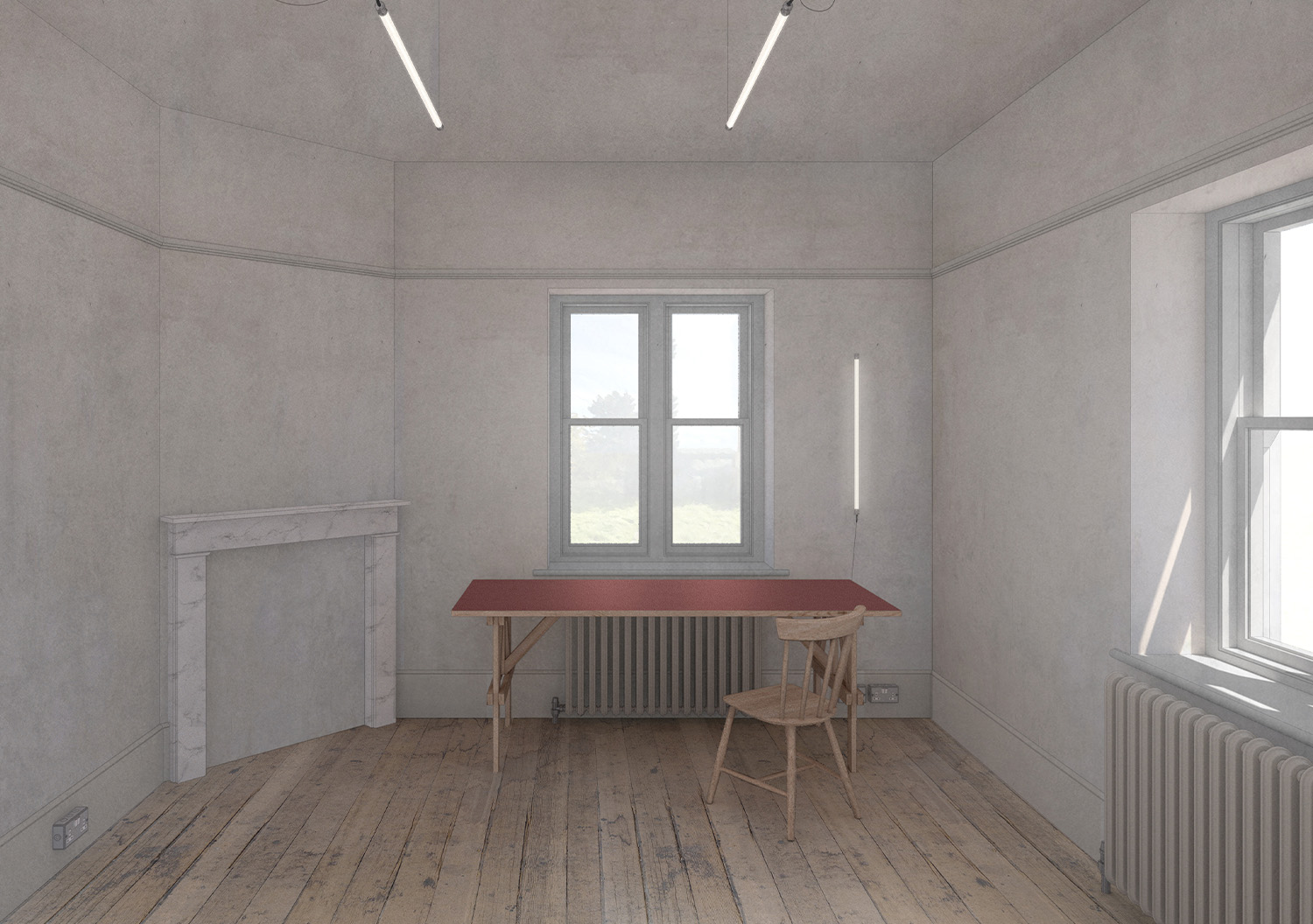 Farmhouse studio


Flint Experiment
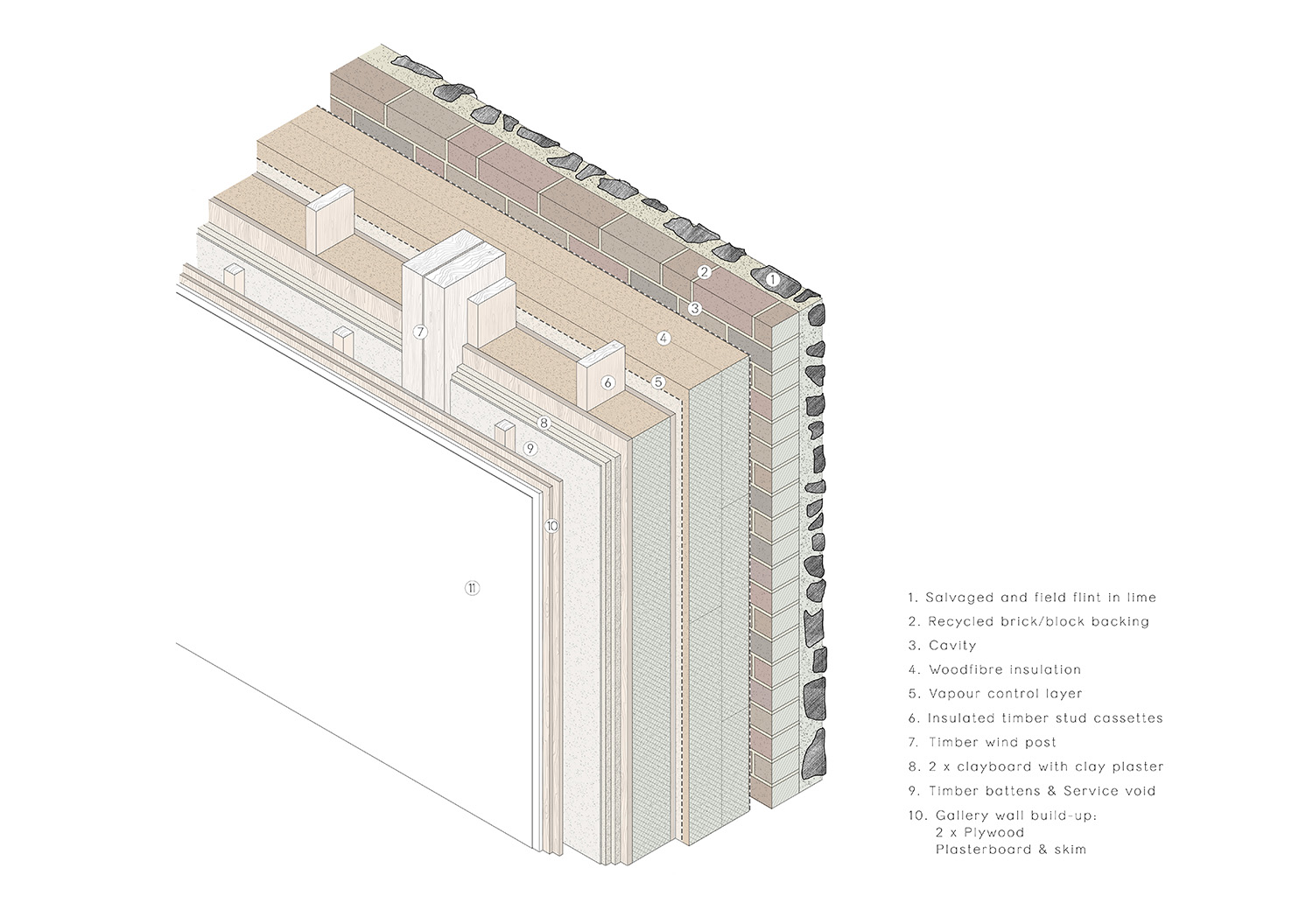
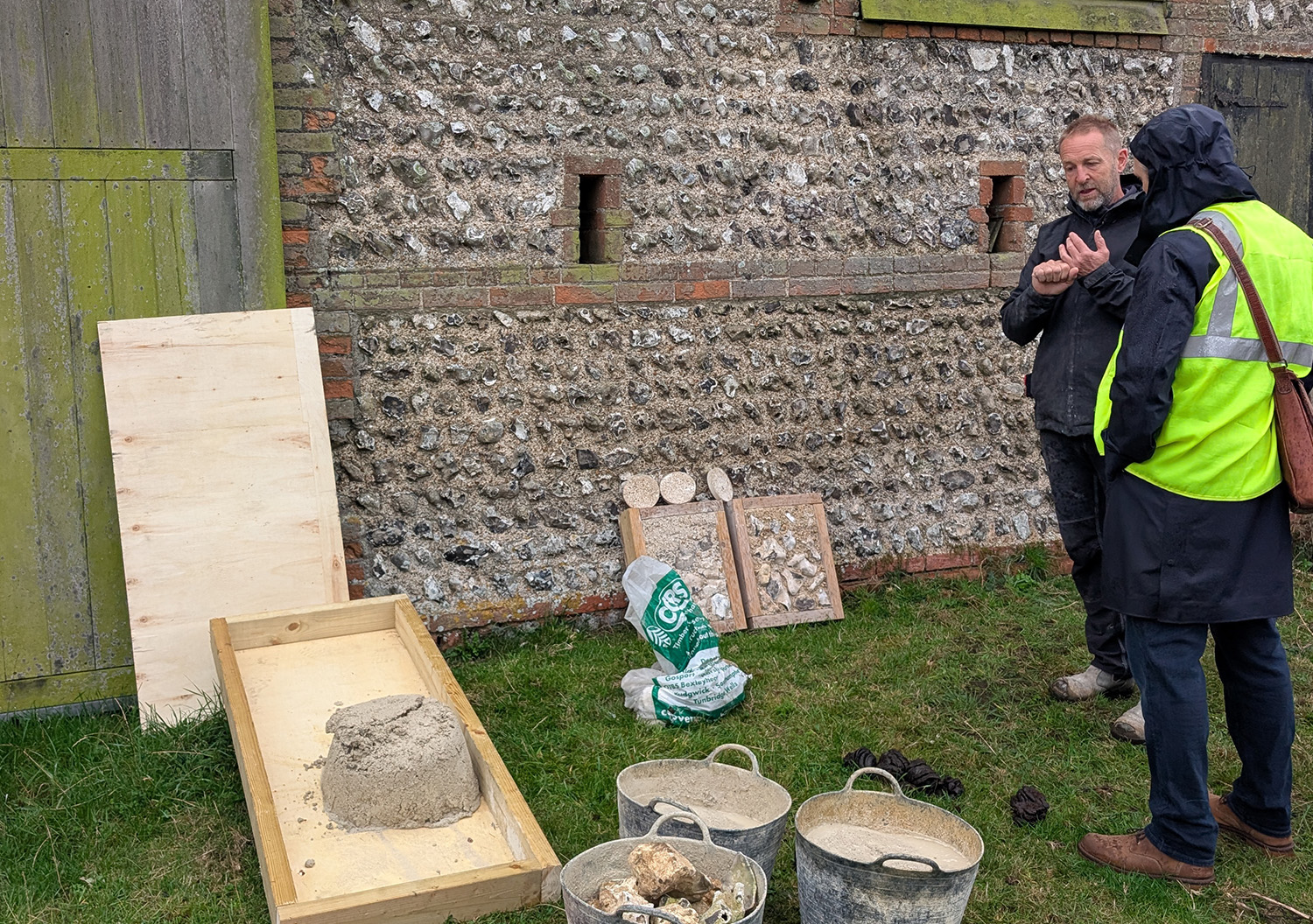
Material re-use has been prioritised, with reclaimed brick, lime mortar, flint, and landscape excavations forming a palette born of the site. Flint and lime mortar, derived from chalk, resonate with the surrounding Downland and historic farm buildings. The proposed gallery steps down with the natural slope, using flint and lime forms. Recycled knapped flint from deconstructed walls, natural boney field flints from site excavations, and existing lime mortar will be incorporated. Working with The Flint Wall Company, cast stone lintels complement the lime mortar, with corners formed from carefully selected boney field flints. Material processes and finishes will be developed in collaboration during technical design.
-
-
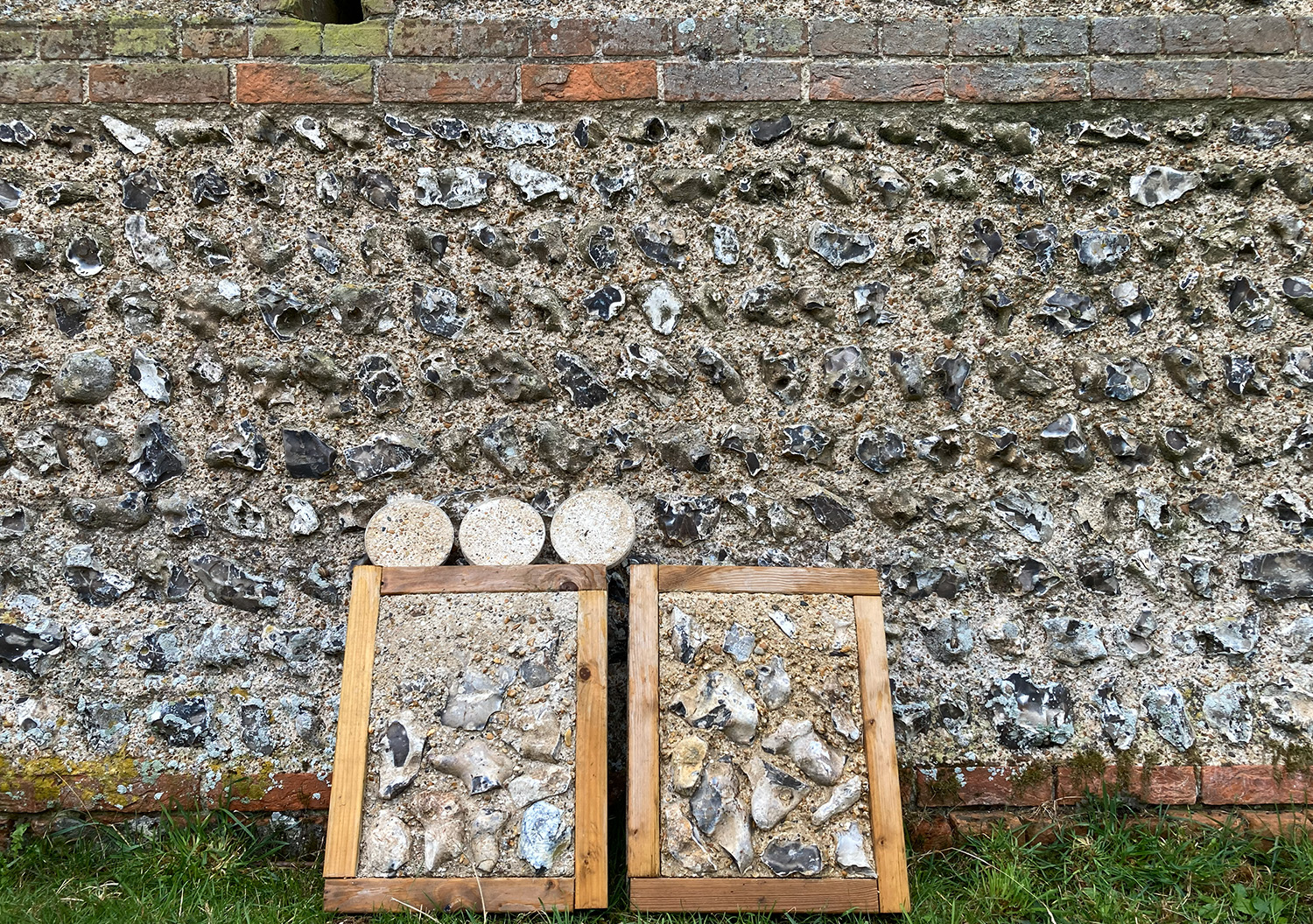 Flint wall tests
 -


Project Information
Client: Eastbourne Borough Council
Location: South Downs National Park
Sector: Culture
Commissioned: 2022
Status: Stage 4 Submitted
GIA: 1800sqm
Team
Landscape Architect: Jonathan Cook Landscape Architects
Structural Engineer: Structure Workshop
Civil Engineer: HOP Consulting Civil Engineers
M&E Engineer: Ritchie + Daffin
Project Manager: Aecom
Selected Press
16 February 2024, Greg Pitcher, ‘Feilden Fowles arts centre approved for South Downs National Park’, Architects’ Journal
Related Projects